
Slip and fall accidents in Florida are among the leading causes of personal injury, often resulting in serious physical, emotional, and financial consequences. Whether the fall occurs at a grocery store, hotel, workplace, or private property, the injuries sustained can be life-altering. Knowing what types of injuries are most common—and what legal rights you have—is essential if you’ve been injured in a slip and fall accident.
In this article, we’ll explore the most common slip and fall injuries in Florida, what causes these accidents, how liability is determined, and how a personal injury lawyer can help you recover compensation under Florida law.
Key Takeaways
- Slip and fall accidents in Florida can result in severe injuries such as broken bones, spinal cord injuries, and traumatic brain injuries.
- Property owners have a legal duty to maintain a safe environment and may be liable under Florida’s premises liability laws.
- Negligence, hazardous conditions, and poor maintenance are leading causes of slip and fall accidents.
- Documenting your injury and contacting a slip and fall attorney is crucial to building a strong case.
- Victims may be entitled to recover compensation for medical bills, lost wages, and pain and suffering.
Understanding Slip and Fall Accidents in Florida
A slip and fall accident occurs when a person loses their footing and falls due to a hazardous condition on someone else’s property. Under Florida premises liability law, property owners and managers are required to maintain reasonably safe conditions for visitors. When they fail to do so, and that negligence results in injury, they may be held liable for the damages.
Common examples include slipping on a wet grocery store floor, tripping over broken pavement, or falling down poorly lit stairs. According to CDC data, falls are a leading cause of injury-related deaths among older adults in the U.S., and Florida—being a retirement hotspot—sees a high volume of such incidents.
To pursue a slip and fall claim in Florida, the injured party must prove that the property owner:
- Had a duty to maintain safe conditions
- Knew or should have known about the hazardous condition
- Failed to remedy or warn about the danger
- That the hazard directly caused the injury
Slip and fall accidents may occur on commercial, residential, or public property. In all cases, proving negligence is key to recovering damages under Florida law.
Most Common Slip and Fall Injuries in Florida
Slip and fall injuries in Florida can range from minor bruises to life-threatening trauma. Some injuries may not be immediately visible, making it crucial to seek medical attention promptly after an accident. Below are the most common types of injuries resulting from slip and fall accidents in the Sunshine State:
1. Broken Bones
Fractures are among the most frequent outcomes of slip and fall accidents. Wrists, arms, ankles, and hips are especially vulnerable during a fall. Broken hips are particularly common among elderly victims and often require surgery and lengthy recovery times.
2. Soft Tissue Injuries
These include sprains, strains, and ligament damage. Though not always visible, soft tissue injuries can cause long-term pain and mobility issues if untreated. These injuries may also lead to complications if not documented early.
3. Head and Traumatic Brain Injuries
Falls are a leading cause of traumatic brain injuries (TBIs). Even a mild concussion can have lasting effects. In severe cases, victims may suffer cognitive impairment, memory loss, or permanent disability. Symptoms of TBIs may be delayed, making early diagnosis critical.
4. Spinal Cord and Back Injuries
Damage to the spinal cord or discs can lead to chronic pain, limited mobility, or even paralysis. Back injuries are among the most debilitating types of injuries from slip and fall accidents and often require long-term treatment or rehabilitation.
5. Cuts, Bruises, and Lacerations
While these may seem minor, deep lacerations can require stitches, and facial injuries can lead to scarring. Cuts and abrasions also increase the risk of infection if not properly treated.
6. Hip Fractures
Hip fractures are especially dangerous for older adults and often lead to hospitalizations, surgeries, and assisted care. According to the National Institute on Aging, falls cause more than 300,000 hip fractures each year in the U.S., many of them in Florida due to its large elderly population.
Causes of Slip and Fall Accidents in Florida
Understanding the most frequent causes of slip and fall accidents helps clarify who may be liable. In Florida, many falls occur because property owners or managers failed to eliminate or warn of dangerous conditions. Below are some of the most common hazards:
- Wet or slippery surfaces — Often caused by spills, leaks, or recent cleaning without proper signage
- Uneven flooring or cracked pavement — Sidewalks, entryways, and walkways with trip hazards are common in fall cases in Florida
- Poor lighting — Inadequate lighting in stairwells, hallways, or parking lots can obscure hazards
- Loose rugs or mats — These can slide underfoot, especially in businesses or hotels
- Obstructed walkways — Cords, debris, or misplaced items can become dangerous when not properly secured
- Failure to maintain handrails or safety features — Particularly in stairwells or ramps
According to Florida law, the injured party must show that the hazardous condition existed long enough for the property owner or manager to have reasonably discovered and fixed it. This is a key component in proving negligence on the part of the property owner and securing compensation.
In commercial settings, video surveillance and maintenance logs often play a critical role in establishing how long a hazard existed. Victims are advised to consult with an experienced injury attorney to gather this type of evidence.
Florida Law: Liability and Slip and Fall Claims
In Florida, slip and fall accident claims fall under premises liability law. These laws establish the legal responsibility of property owners and managers to keep their premises safe for visitors, customers, or tenants. When a property owner fails in this duty, and someone is injured as a result, the injured party may pursue a slip and fall claim to recover damages.
According to Florida Statute §768.0755, claimants must prove that the property owner had actual or constructive knowledge of the dangerous condition and should have taken action to remedy it. Constructive knowledge means the hazard:
- Existed for a sufficient length of time that the property owner should have known about it, or
- Occurred regularly and was therefore foreseeable
Florida also follows a comparative negligence rule, meaning that if the injured person is partially at fault—for example, by not watching where they were walking—their compensation may be reduced by their percentage of fault.
Due to the 2023 legal changes, it’s important to act quickly: the statute of limitations for personal injury claims in Florida is two years from the date of the accident. Delaying legal action could forfeit your right to recover damages.
The Financial and Medical Impact of Slip and Fall Injuries
The aftermath of a slip and fall accident can be financially and emotionally draining. Beyond physical pain, victims often face significant medical costs, missed work, and long-term lifestyle changes.
Medical Expenses
Treatment for slip and fall injuries may include emergency care, surgeries, diagnostic tests, physical therapy, and follow-up visits. These costs can quickly add up, especially for serious injuries like spinal cord injuries or traumatic brain injuries.
Lost Wages and Reduced Earning Capacity
Victims frequently miss work due to their injuries. In more severe cases, they may be unable to return to their previous job or suffer long-term disability, affecting future income. A personal injury attorney can include these losses in a claim for financial recovery.
Pain and Suffering
Florida law also allows victims to pursue compensation for non-economic damages like emotional distress, chronic pain, and reduced quality of life. Although harder to quantify, these damages are essential in reflecting the full impact of the injury.
Because these injuries can require months or years of treatment, documenting all related expenses and impacts is essential. An experienced slip and fall accident attorney can ensure all potential damages are included in your claim.
What to Do After a Slip and Fall Accident in Florida
If you’ve been injured in a slip and fall accident, taking the right steps immediately afterward can significantly strengthen your claim. Florida law places the burden of proof on the injured party, so preserving evidence and acting quickly is key.
1. Seek Medical Attention Immediately
Your health comes first. Even if your injuries seem minor, internal damage like soft tissue injuries or traumatic brain injuries may not be obvious right away. Prompt medical care also creates a documented link between the accident and your injuries.
2. Report the Incident
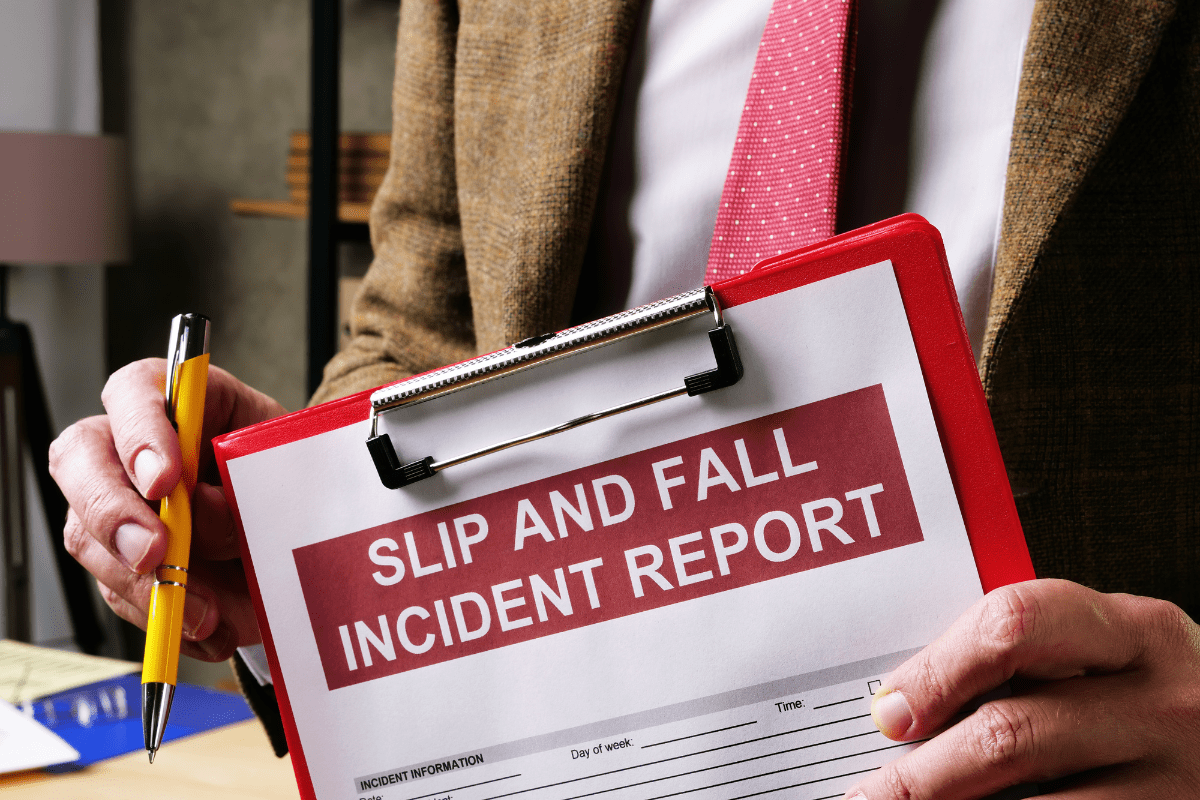
Notify the property owner or manager right away. Whether it happened at a store, apartment complex, or private residence, an official report helps support your slip and fall claim.
3. Document the Scene
Take photos or video of the hazardous condition that caused your fall, such as a wet floor, broken tile, or poor lighting. Note the time and date, and gather witness names and contact information if possible.
4. Avoid Giving Detailed Statements
Refrain from making detailed statements or signing anything without first speaking with a personal injury lawyer. Insurance companies may use your statements to minimize your claim.
5. Consult an Attorney Promptly
Because of the two-year statute of limitations under Florida law, it’s critical to consult an attorney as soon as possible. A legal expert can guide you through the process, protect your rights, and help you recover damages caused by someone else’s negligence.
Why You Should Consult a Personal Injury Lawyer
Many slip and fall victims attempt to handle their claims alone, only to be overwhelmed by paperwork, legal technicalities, and insurance tactics. A seasoned slip and fall attorney knows how to build a strong case and negotiate on your behalf.
Proving Negligence
Establishing that the property owner or manager knew—or should have known—about the hazardous condition is a central element of your claim. A personal injury lawyer can collect maintenance logs, surveillance footage, and expert testimony to demonstrate this.
Maximizing Compensation
From medical bills to pain and suffering, an experienced injury attorney will help ensure that all damages are accurately calculated and pursued. This includes current losses and anticipated future costs.
Contingency Fees
Most personal injury attorneys work on a contingency basis, meaning you pay nothing unless they recover compensation for you. This makes high-quality legal representation accessible to all slip and fall victims.
Having a lawyer by your side increases your chances of a successful outcome and allows you to focus on healing while your case is being handled professionally.
Talk to a Personal Injury Lawyer About Your Slip and Fall Injuries in Florida
If you or a loved one has suffered injuries from a slip and fall accident in Florida, you may be entitled to financial compensation. At Bodden and Bennett Law Group, we understand how life-changing these accidents can be and are here to help you recover the damages you deserve.
Our experienced legal team will investigate your claim, gather critical evidence, and negotiate with insurers to ensure you’re treated fairly. Whether your injuries involve broken bones, traumatic brain injuries, spinal cord damage, or soft tissue injuries, we’re ready to advocate for your full recovery.
Contact us today for a free case evaluation and let us help you move forward after your slip and fall accident.
FAQs About Slip and Fall Injuries in Florida
What should I do immediately after a slip and fall accident in Florida?
Seek medical attention, report the incident to the property owner, document the scene with photos, and contact a personal injury lawyer to preserve your rights under Florida law.
What are the most common injuries from slip and fall accidents in Florida?
Common injuries include broken bones, soft tissue injuries, traumatic brain injuries, spinal cord injuries, and hip fractures—especially in older adults.
How long do I have to file a slip and fall claim in Florida?
Florida law gives you two years from the date of the accident to file a personal injury claim. After that, you may lose your right to compensation.
Can I still recover compensation if I was partly at fault?
Yes. Under Florida’s comparative negligence rule, your compensation may be reduced by your percentage of fault, but you can still recover damages.
What evidence is important in a slip and fall case?
Photos of the scene, witness statements, medical records, incident reports, and surveillance footage can all support your claim.
Who is liable for slip and fall injuries in Florida?
The property owner or manager may be liable if they failed to maintain safe conditions and their negligence caused your injury.
How can a personal injury lawyer help with my slip and fall claim?
An attorney can help gather evidence, prove negligence, calculate your damages, negotiate with insurers, and represent you in court if needed.