
Florida has specific seatbelt laws that apply to both drivers and passengers. While most people understand that wearing a seatbelt is mandatory for front-seat occupants, many are unsure whether the same rules apply to those sitting in the back.
In this article, we’ll break down Florida’s seatbelt laws, penalties for non-compliance, and how not wearing a seatbelt can affect your compensation if you’re injured in a car accident.
Key Takeaways
✔ Florida law requires seatbelt use for all drivers and front-seat passengers.
✔ Minors under 18 must wear a seatbelt in any seat, including the back.
✔ Adults in the backseat aren’t required by law to wear a seatbelt but should for safety.
✔ Not wearing a seatbelt can affect your compensation in a personal injury claim.
✔ Law enforcement can issue fines for failing to wear a seatbelt where required.
Overview of Seatbelt Laws in Florida
Florida’s seatbelt laws are outlined in Florida Statute 316.614, also known as the Florida Safety Belt Law. These laws are designed to protect drivers and passengers from serious injuries in the event of a car accident.
Under Florida law:
✅ Drivers and front-seat passengers are required to wear a seatbelt at all times.
✅ Passengers under the age of 18 must wear a seatbelt, regardless of where they are sitting.
✅ Children under five must be secured in a car seat or booster seat.
Failing to wear a seatbelt in Florida is a primary offense, meaning law enforcement officers can pull over a driver solely for not wearing a seatbelt or having an unrestrained minor in the vehicle.
Who Is Required to Wear a Seatbelt in Florida?
Florida law requires seatbelt use for the following individuals:
- Drivers: All drivers of motor vehicles must wear seatbelts while operating their vehicles.
- Front-seat passengers: Every passenger in the front seat is legally required to wear a seatbelt.
- Backseat passengers under 18: Anyone under the age of 18 must wear a seatbelt, whether they are in the front or back seat.
- Children under five: Florida law requires children under five to be secured in a child restraint device (such as a car seat or booster seat) appropriate for their age and size.
Who Is NOT Required to Wear a Seatbelt in Florida?
Although seatbelts save lives, Florida law does not require:
- Adults 18 and older sitting in the back seat to wear seatbelts.
- People with a medical exemption certified by a physician.
- Employees of waste collection services while performing their duties.
- Newspaper delivery personnel during home deliveries.
- Bus passengers in large vehicles such as school or transit buses.
However, even though some adults aren’t legally required to wear seatbelts in the backseat, it is still highly recommended. According to the National Highway Traffic Safety Administration (NHTSA), unrestrained backseat passengers are eight times more likely to be seriously injured or killed in an accident than those who wear seatbelts.
Are Backseat Passengers Required to Wear Seatbelts in Florida?
The question of whether backseat passengers are legally required to wear seatbelts in Florida depends on age.
Minors Under 18: Seatbelt Required
Florida law requires anyone under the age of 18 to wear a seatbelt, regardless of where they are sitting in the vehicle. This means that if a teenager or child is riding in the backseat without a seatbelt, both the driver and the passenger could face penalties.
For younger children, the law is even stricter:
- Children under five years old must be secured in a child restraint device (such as a car seat or booster seat).
- Children ages 5-8 must use either a booster seat or a seatbelt, depending on their height and weight.
Failure to properly secure a child can result in a $60 fine and three points on the driver’s license.
Adults 18 and Older: No Legal Requirement
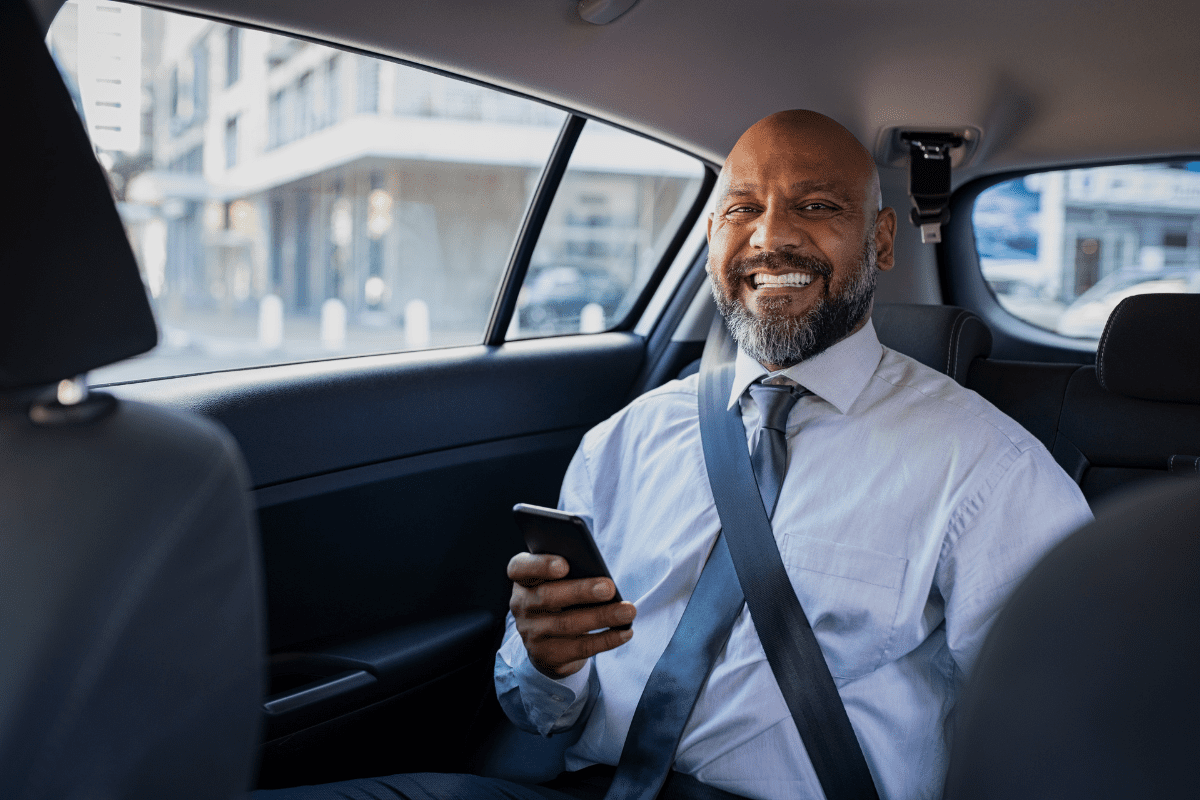
For adults 18 and older, Florida law does not require them to wear a seatbelt while sitting in the backseat. This means that if an adult passenger chooses not to wear a seatbelt while riding in the back, they are not violating any state law.
However, just because it’s not required by law doesn’t mean it’s a good idea to ride unrestrained. The Insurance Institute for Highway Safety (IIHS) reports that unbelted backseat passengers can become projectiles in a crash, potentially injuring or killing themselves and others in the car.
Comparing Florida to Other States
While Florida does not require adults in the backseat to wear seatbelts, many other states do.
- New York and California have strict seatbelt laws that require all passengers—front and back—to wear seatbelts, regardless of age.
- New Jersey, Oregon, and Washington also have laws requiring backseat passengers to buckle up.
In fact, according to the Governors Highway Safety Association (GHSA), more than 30 states require all passengers, including adults in the backseat, to wear seatbelts. Florida is one of the few states that does not extend seatbelt requirements to adults in the back.
Even though Florida law doesn’t require adults to wear seatbelts in the backseat, it’s always safer to buckle up. Studies show that properly wearing a seatbelt reduces the risk of fatal injury by 55% in passenger cars and 74% in SUVs and pickup trucks.
Consequences of Not Wearing a Seatbelt in Florida
Failing to wear a seatbelt in Florida can lead to legal penalties, financial consequences, and a higher risk of severe injuries in a car accident. Understanding these consequences is essential for both drivers and passengers.
Legal Penalties for Not Wearing a Seatbelt
Florida enforces its seatbelt laws as a primary offense, meaning law enforcement officers can pull a driver over solely for a seatbelt violation.
-
Fines:
- $30 fine for an adult driver or front-seat passenger not wearing a seatbelt.
- $60 fine for failing to properly restrain a child under 18.
- Additional court costs and fees that can increase the total penalty.
-
Driver Responsibility for Minors:
- If a passenger under 18 is not wearing a seatbelt, the driver is held responsible and will be cited for the violation.
- If the unbelted minor is between 16 and 17 years old, they may receive their own citation.
-
Points on Driver’s License:
- Failing to secure a child in a car seat or seatbelt can result in three points on the driver’s license, which may lead to increased insurance rates.
Increased Risk of Injury and Fatalities
Beyond legal consequences, failing to wear a seatbelt dramatically increases the risk of serious injury or death in a crash. According to the National Highway Traffic Safety Administration (NHTSA):
- Unbelted backseat passengers are 2.5 times more likely to be killed in a car accident than those who wear seatbelts.
- In high-speed crashes, unrestrained passengers can be thrown from the vehicle, often resulting in fatal injuries.
- Unbelted backseat passengers can also cause fatal injuries to front-seat occupants by being thrown forward in a collision.
Impact on Car Insurance and Liability
Not wearing a seatbelt can also have financial consequences beyond the initial fine:
- Higher Insurance Rates:
- Many car insurance companies factor seatbelt violations into premium calculations, meaning a single ticket could lead to higher monthly rates.
- Limited Compensation in a Lawsuit:
- If you are injured in a car accident while not wearing a seatbelt, your ability to recover damages could be reduced under Florida’s comparative negligence laws (explored in the next section).
Even though adults in the backseat aren’t legally required to wear a seatbelt in Florida, the potential consequences—legal, financial, and physical—make it clear that buckling up is always the best choice.
How Not Wearing a Seatbelt Can Affect Your Compensation
If you are involved in a Florida car accident and weren’t wearing a seatbelt, it could significantly impact your ability to recover compensation for your injuries. Under Florida’s modified comparative negligence law, insurance companies and defense attorneys may argue that you were partially responsible for your injuries due to your failure to wear a seatbelt.
Florida’s Modified Comparative Negligence Rule
As of 2023, Florida follows a modified comparative negligence system with a 51% bar rule. This means:
- If you are found 51% or more at fault for your injuries, you cannot recover any damages from the other party.
- If you are 50% or less at fault, your compensation is reduced by your percentage of fault.
For example:
- You are injured in a car accident and file a claim for $100,000 in damages.
- The defense argues that not wearing a seatbelt contributed to 30% of your injuries.
- Under Florida’s comparative negligence law, your compensation would be reduced by 30%, leaving you with only $70,000.
However, if the court finds that your failure to wear a seatbelt contributed to more than 51% of your injuries, you may be barred from receiving any compensation at all.
Common Defenses Used by Insurance Companies
Insurance companies often use the seatbelt defense to argue that an injured passenger worsened their own injuries by failing to wear a seatbelt. Their legal arguments may include:
- Your injuries would have been less severe if you had been wearing a seatbelt.
- You contributed to your own harm by disregarding safety precautions.
- Medical evidence shows that seatbelt use could have prevented or minimized your injuries.
How to Fight Back Against Comparative Negligence Claims
If you were injured in a car accident while not wearing a seatbelt, you should:
- Consult a Personal Injury Attorney – A lawyer can help argue that your injuries would have occurred regardless of seatbelt use.
- Gather Medical Evidence – A doctor’s report may indicate that your injuries were due to the accident itself, not just the lack of a seatbelt.
- Challenge the Seatbelt Defense – A skilled attorney can counter the insurance company’s claim by providing expert testimony or crash analysis data.
Even if you weren’t wearing a seatbelt, you may still be entitled to compensation. The Bodden and Bennett Law Group can help you fight for the settlement you deserve.

Safety Reasons to Wear a Seatbelt in the Backseat
Even though Florida law does not require adults in the backseat to wear seatbelts, safety experts strongly recommend it. Studies have consistently shown that wearing a seatbelt—no matter where you sit—significantly reduces the risk of serious injury or death in a car accident.
Backseat Passengers Face High Risks Without a Seatbelt
Many people assume that the backseat is safer, but statistics prove otherwise:
- According to the National Highway Traffic Safety Administration (NHTSA), unbelted backseat passengers are 2.5 times more likely to suffer fatal injuries than those who wear seatbelts.
- A study by the Insurance Institute for Highway Safety (IIHS) found that unrestrained backseat passengers can be thrown forward in a crash, increasing the risk of serious injury or death for both themselves and front-seat occupants.
- In high-speed collisions, unbelted passengers in the backseat become human projectiles, often colliding with other passengers or being ejected from the vehicle.
Seatbelts Protect Everyone in the Vehicle
Wearing a seatbelt in the backseat doesn’t just protect you—it protects others in the car. In a frontal collision, an unbelted rear-seat passenger can be thrown forward with enough force to cause fatal injuries to the driver or front-seat passenger.
Common Misconceptions About Backseat Seatbelt Use
Myth: The backseat is safer, so a seatbelt isn’t necessary.
✅ Fact: While the backseat may provide some protection in certain crashes, unbelted passengers are still at high risk of severe injuries.
Myth: Airbags in the front seat will protect me.
✅ Fact: Airbags are designed to work with seatbelts, not replace them. Without a seatbelt, the impact of an airbag can actually cause more harm.
Even though Florida law doesn’t require adults to wear seatbelts in the backseat, buckling up is always the safest choice.
What to Do If You Were Injured in a Car Accident While Not Wearing a Seatbelt
If you were involved in a Florida car accident and weren’t wearing a seatbelt, you may still be eligible for compensation—but the insurance company will likely use this against you. To protect your rights and maximize your potential claim, follow these steps:
1. Seek Medical Attention Immediately
Even if your injuries seem minor at first, some injuries (such as whiplash or internal bleeding) may not be immediately noticeable. A medical evaluation provides essential documentation that connects your injuries to the accident.
2. Document the Accident Scene
- Take photos of the vehicles, your injuries, and any visible damage.
- Collect contact information from witnesses who can verify what happened.
- Obtain a copy of the police report, as it will indicate whether you were wearing a seatbelt.
3. Do Not Admit Fault
Insurance adjusters or the at-fault party’s lawyer may ask whether you were wearing a seatbelt. Avoid making statements that could be used against you. Even if you weren’t buckled up, the other driver may still be primarily at fault for the accident.
4. Contact a Personal Injury Attorney
Under Florida’s modified comparative negligence law, if you are 51% or more responsible for your injuries, you cannot recover damages. A skilled attorney can argue that:
- The other driver was primarily responsible for the accident.
- Your injuries would have occurred regardless of seatbelt use.
- The insurance company’s seatbelt defense is unfair or exaggerated.
The Bodden and Bennett Law Group has extensive experience handling personal injury claims, even in cases where the victim wasn’t wearing a seatbelt. If you’ve been injured, contact us today for a free consultation.
Conclusion
Florida’s seatbelt laws are clear:
- Drivers and front-seat passengers must wear seatbelts.
- Passengers under 18 must be restrained, no matter where they are sitting.
- Adults in the backseat are not legally required to wear seatbelts—but failing to do so can increase the risk of severe injury or death.
While Florida law may not mandate seatbelt use for adults in the backseat, safety experts agree that wearing a seatbelt can save lives. If you’re in an accident and weren’t wearing a seatbelt, your ability to recover compensation may be reduced under Florida’s modified comparative negligence law. However, this does not mean you have no legal options.
Injured in a Car Accident? Contact Bodden and Bennett Law Group Today
If you or a loved one were injured in a Florida car accident, whether or not you were wearing a seatbelt, you still have rights. The insurance company may try to minimize your compensation, but an experienced attorney can help you fight back.
Call Bodden and Bennett Law Group today at (561) 806-5229 or visit Contact Us Online to schedule a free consultation. Let us help you get the compensation you deserve.
FAQs: Florida Seatbelt Laws and How They Affect Your Legal Rights
1. Are seatbelts required for backseat passengers in Florida?
It depends on the passenger’s age. Minors under 18 are required to wear a seatbelt in both the front and back seats. However, adults (18 and older) are not legally required to wear a seatbelt while sitting in the backseat.
2. What are the fines for not wearing a seatbelt in Florida?
Florida enforces seatbelt violations as a primary offense, meaning law enforcement officers can pull over a vehicle solely for a seatbelt violation. The fines include:
- $30 fine for adults failing to wear a seatbelt where required.
- $60 fine for failing to properly restrain a child under 18.
- Additional court costs and fees that may increase the total penalty.
3. Can not wearing a seatbelt affect my personal injury claim?
Yes. Under Florida’s modified comparative negligence law, if you weren’t wearing a seatbelt and it contributed to your injuries, your compensation could be reduced. If you are found to be 51% or more responsible for your injuries, you cannot recover any damages.
4. What does Florida law say about children and seatbelts?
Florida law has stricter requirements for child passengers:
- Children under five years old must be in an appropriate child restraint system (car seat or booster seat).
- Children ages 5-8 must use a booster seat or seatbelt, depending on their height and weight.
- Children under 18 must wear a seatbelt in any seat of the vehicle.
5. Is not wearing a seatbelt a primary offense in Florida?
Yes. Florida law allows law enforcement officers to pull over and cite a driver solely for a seatbelt violation. If a passenger under 18 isn’t properly restrained, the driver is responsible and will be cited.
6. What happens if a passenger under 18 isn’t wearing a seatbelt?
If a child under 18 is not wearing a seatbelt:
- The driver is held responsible and may face a $60 fine.
- Three points may be added to the driver’s license.
- The passenger (if 16 or 17 years old) may also receive their own citation.
7. Do seatbelts really save lives?
Absolutely. According to the National Highway Traffic Safety Administration (NHTSA):
- Wearing a seatbelt reduces the risk of fatal injury by 45% for front-seat passengers.
- Backseat passengers are 2.5 times more likely to die in a crash if they aren’t wearing a seatbelt.
- In rollover crashes, wearing a seatbelt can prevent ejection from the vehicle, which is often fatal.
8. Can I still get compensation if I wasn’t wearing a seatbelt in an accident?
Possibly. If another driver was at fault for the accident, you may still be eligible for compensation. However, the insurance company may argue that not wearing a seatbelt contributed to your injuries, reducing the amount you can recover.
9. How can a personal injury attorney help if I was injured without a seatbelt?
A personal injury attorney can:
- Challenge the insurance company’s seatbelt defense by arguing that your injuries would have occurred regardless.
- Gather medical evidence to prove the severity of your injuries.
- Fight for fair compensation, even if the insurance company tries to reduce your claim.
10. Where can I find more information on Florida seatbelt laws?
For official information on Florida’s seatbelt laws, visit: