
Thanksgiving Travel and Holiday Crash Risks in Florida
Florida holiday car accidents tend to surge every Thanksgiving season as millions of residents and visitors hit the roads to visit family, attend festivities, or enjoy the state’s warm weather. Unfortunately, what should be a joyful time often turns tragic due to increased holiday traffic, distracted driving, and fatigue. According to the Florida Department of Highway Safety and Motor Vehicles, holiday weekends consistently see higher crash and injury rates across major highways like I-95, I-75, and Florida’s Turnpike.
From long-distance road trips to late-night drives home after Thanksgiving dinner, drivers face unique seasonal challenges. Many underestimate how quickly traffic congestion, impaired driving, and unpredictable weather can create dangerous conditions. Before you hit the road this Thanksgiving, it’s essential to understand what causes these accidents—and how to stay safe while traveling.
This guide from the Bodden and Bennett Law Group explores the leading causes of Thanksgiving car accidents in Florida, provides actionable safety tips, and explains your legal rights if you’re involved in a collision. Don’t let a car crash ruin your holiday plans—protect yourself and your passengers this season with knowledge and preparation.
Key Takeaways: Staying Safe and Informed on Florida Roads
- Florida sees a sharp rise in Thanksgiving car accidents due to heavy travel, distractions, and impaired driving.
- Peak travel days—especially the Wednesday before and Sunday after Thanksgiving—are the most dangerous for motorists.
- Drivers should follow a clear car accident checklist if a crash occurs, including medical attention and evidence collection.
- Understanding Florida’s no-fault insurance laws and personal injury protection (PIP) coverage can affect your compensation.
- If you’ve been injured in a car accident in Florida, consult a Florida car accident lawyer to ensure your rights are protected.

Why Do Car Accidents Spike During the Holidays in Florida?
Every year, Florida’s roads become more congested as families travel for Thanksgiving gatherings, theme park vacations, and beach getaways. The state’s popularity as a holiday destination adds thousands of additional vehicles to its highways, contributing to a spike in motor vehicle collisions and holiday car accidents.
Increased Traffic Volume and Travel Rush
The combination of local and out-of-state drivers creates a perfect storm of congestion. According to the National Highway Traffic Safety Administration (NHTSA), travel volume during the Thanksgiving weekend is among the highest of the year. Drivers rushing to reach their destinations often speed, change lanes abruptly, or ignore traffic laws, leading to serious motor vehicle accidents in Florida.
Distracted Driving During the Holidays
Texting, navigation apps, and social media updates are common distractions that take a driver’s focus off the road. During the holiday season, these behaviors increase as people coordinate plans, check directions, or post festive updates. Even a brief distraction can lead to a devastating car crash—especially in congested or unfamiliar areas.
Fatigue and Long-Distance Driving
Many Floridians drive long distances to visit relatives, often after work or late at night. Fatigue impairs reaction time and judgment, making drowsy driving as dangerous as alcohol impairment. The holiday weekend travel in Florida often includes overnight trips, increasing the likelihood of fatigue-related collisions.
DUI and Impaired Driving
Unfortunately, Thanksgiving weekend is also one of the deadliest periods for DUI accidents. Alcohol-related crashes surge as people attend gatherings or celebrations. Data from the Florida Highway Safety and Motor Vehicles agency shows that impaired driving is a leading cause of holiday fatalities. Even one drink can slow reaction times—never drive if you’ve been drinking or are under the influence of medication that causes drowsiness.
Stress and Holiday Distractions
Drivers juggling travel plans, kids, and schedules are often mentally overloaded. Emotional stress can be just as distracting as physical fatigue. When you combine that with unfamiliar routes or aggressive drivers, it’s easy to see why Thanksgiving car accidents in Florida happen so frequently.
In short, the holiday rush creates the perfect mix of high traffic, emotional stress, and risky behavior. Recognizing these risks is the first step in reducing your chances of being involved in a collision this Thanksgiving.
Common Causes of Holiday Car Accidents in Florida
Understanding the most common causes of holiday car accidents in Florida can help drivers anticipate and avoid dangerous situations. While the reasons may vary, several recurring factors contribute to the alarming spike in collisions each Thanksgiving.
1. Weather Conditions and Reduced Visibility
Although Florida rarely experiences snow, sudden rainstorms and fog can dramatically reduce visibility and make roads slick. Drivers who fail to adjust their speed or follow distance are at greater risk of hydroplaning or rear-end collisions. Keeping headlights on during rain and ensuring windshield wipers are functional can significantly improve visibility.
2. Speeding and Reckless Driving
When traffic slows down during the holiday rush, impatient drivers often take unnecessary risks to reach their destinations faster. Speeding, tailgating, and unsafe lane changes are leading contributors to motor vehicle accidents in Florida. The Florida Highway Patrol increases enforcement during holiday weekends, yet citations and crashes continue to rise each year.
3. Impaired or Drowsy Driving
Combining alcohol, fatigue, or medication with long hours behind the wheel is a recipe for disaster. The NHTSA reports that nearly one-third of fatal holiday crashes involve alcohol. Even without drinking, drivers who are overtired experience slower reaction times and decreased alertness—similar to being under the influence.
4. Inexperienced or Out-of-State Drivers
Florida attracts visitors from around the country during the holidays. These out-of-state drivers may be unfamiliar with local traffic laws or highway patterns, increasing the risk of accidents. Inexperienced drivers, especially teens or college students home for the holidays, may also underestimate the dangers of distracted driving or high-speed traffic.
5. Pedestrian and Driver Safety Concerns
Holiday shopping, community parades, and seasonal events bring more pedestrians onto the streets. Unfortunately, pedestrian fatalities often rise during the holiday season, particularly in busy downtown areas and parking lots. Both drivers and pedestrians should remain vigilant and obey traffic signals to prevent tragedies.
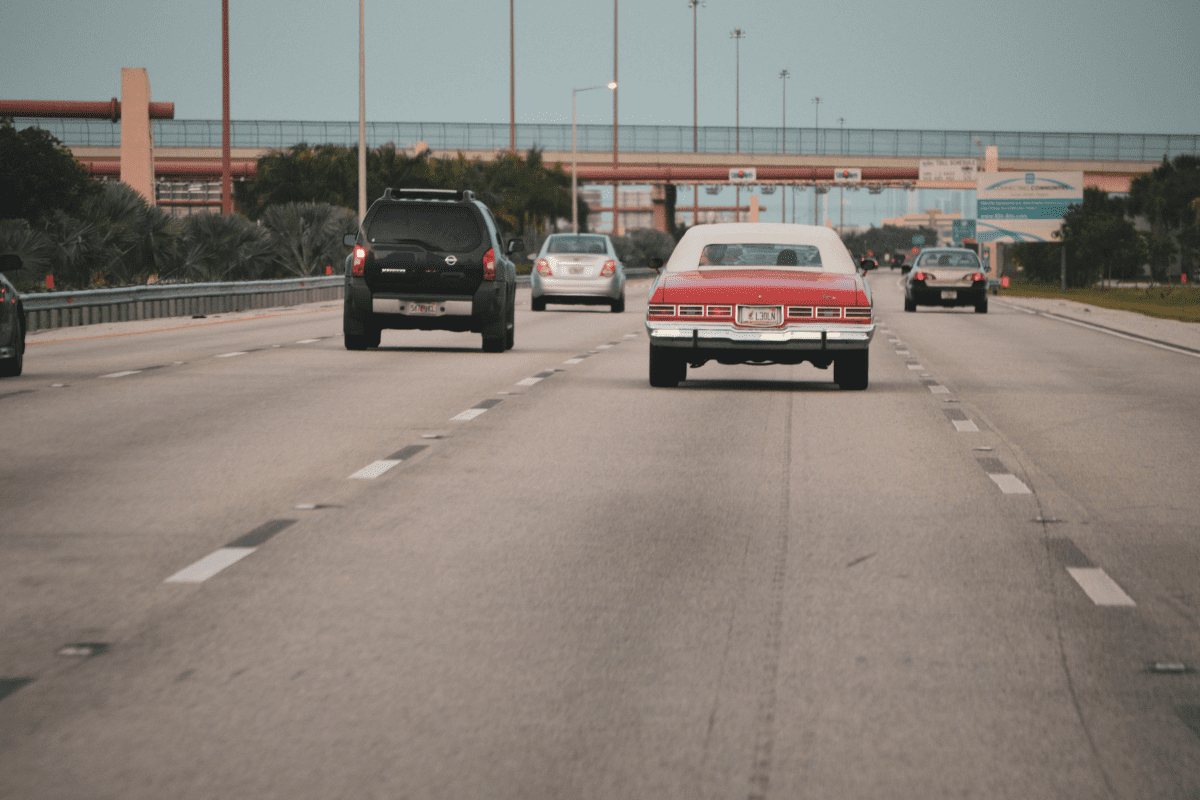
Florida Highway Safety: What the Latest Holiday Crash Statistics Say
The numbers reveal the harsh truth about holiday traffic in Florida. According to the Florida Department of Highway Safety and Motor Vehicles (FLHSMV), more than 4,000 crashes occurred statewide during Thanksgiving week in recent years. Many involved impaired or distracted drivers, resulting in hundreds of serious injuries and fatalities.
Nationally, the National Highway Traffic Safety Administration (NHTSA) reports that Thanksgiving consistently ranks among the top three holidays for fatal motor vehicle collisions. In Florida, crash data show that:
- The Wednesday before Thanksgiving and the Sunday after are peak crash days.
- Nighttime collisions increase by over 30% compared to non-holiday weeks.
- DUI-related crashes account for nearly one in four holiday fatalities.
- Counties such as Miami-Dade, Broward, and Palm Beach report the highest number of holiday car accidents each year.
These statistics highlight the importance of holiday travel safety in Florida. Even with increased enforcement, the sheer volume of vehicles makes defensive driving essential. Planning your route and avoiding peak hours can make a significant difference in your safety.
Holiday Travel Safety Tips for Drivers in Florida
With millions of Floridians expected to travel this Thanksgiving, preparation and caution are key. Following these safe driving tips for the holidays can help protect you and your loved ones on Florida’s busy highways.
Plan Ahead and Avoid Peak Hours
The Wednesday afternoon before Thanksgiving and Sunday evening after the holiday are the busiest travel times. Consider leaving early in the morning or driving on less congested days. Apps like Google Maps and Waze can help identify real-time traffic issues and suggest alternate routes to avoid holiday weekend traffic in Florida.
Stay Alert on Florida Highways
Florida’s long, flat highways can make drivers drowsy or inattentive. To stay alert, take breaks every two hours, share driving responsibilities, and avoid heavy meals or alcohol before driving. Keep your phone out of reach unless you’re using hands-free navigation.
Perform a Road Trip Safety Check
- Check tire pressure, oil, and coolant levels before departure.
- Ensure your headlights, brake lights, and turn signals are working.
- Pack an emergency kit with water, jumper cables, and a flashlight.
- Keep your vehicle registration and insurance documents accessible.
These steps may seem simple but can prevent costly breakdowns or accidents during the busy travel season.
Watch for Distracted or Impaired Drivers
Always keep a safe following distance and be ready for unexpected lane changes. If you notice erratic behavior such as weaving or sudden braking, increase distance or safely change lanes. Report suspected impaired drivers to local authorities to prevent potential tragedies.
Protect Yourself and Your Passengers This Season
Always wear seat belts, ensure child safety seats are properly secured, and remind passengers to minimize distractions. Staying proactive and patient can make the difference between a smooth trip and a life-altering collision.
What to Do After a Car Accident in Florida During the Holidays
Even with the best precautions, accidents can still happen. Knowing exactly what to do after a car accident in Florida—especially during the busy holiday season—can help protect your health, safety, and legal rights. Many drivers feel overwhelmed in the aftermath of a crash, but taking clear, deliberate steps can make all the difference when filing a claim or seeking compensation.
1. Prioritize Safety and Medical Attention
Check yourself, passengers, and others for injuries. If anyone is hurt, call 911 immediately. Even if injuries appear minor, it’s important to seek medical treatment within 14 days to preserve your right to Personal Injury Protection (PIP) benefits under Florida law.
2. Move to a Safe Location and Call Law Enforcement
If possible, move vehicles out of traffic to avoid further collisions. Contact local authorities or the Florida Highway Patrol to file an official accident report. This documentation is essential for insurance and any future legal action.
3. Gather Evidence and Exchange Information
Collect the names, phone numbers, and insurance details of everyone involved. Take clear photos of the vehicles, license plates, and road conditions. Witness statements can also strengthen your case later.
4. Notify Your Insurance Company
Report the crash promptly, but avoid providing recorded statements to insurance adjusters without legal guidance. Remember, adjusters often aim to minimize payouts. For advice on how to handle an insurance adjuster, consult a qualified attorney first.
5. Document Medical Treatment and Expenses
Keep all medical records, prescriptions, and receipts related to your injuries. This documentation will be critical when proving damages or negotiating a settlement.
6. Contact a Florida Car Accident Lawyer
Before dealing with insurers or accepting a settlement, speak to an experienced Florida car accident lawyer. Legal professionals can help evaluate your claim, handle negotiations, and ensure you receive the compensation you deserve.
Being calm, organized, and legally informed after a crash can protect your right to fair compensation—even during the stressful holiday rush.
Understanding Florida’s No-Fault Insurance and PIP Coverage
Florida operates under a no-fault insurance system, which means that after most accidents, drivers turn to their own insurance for medical coverage—regardless of who caused the crash. This is handled through Personal Injury Protection (PIP), a key component of every auto insurance policy in the state.
How PIP Coverage Works
PIP typically covers up to 80% of medical expenses and 60% of lost wages, up to a standard $10,000 limit. However, the coverage only applies if medical treatment begins within 14 days of the accident. This rule often catches holiday travelers off guard, especially if they delay seeking care after a minor collision.
What PIP Does Not Cover
PIP does not pay for vehicle damage, pain and suffering, or emotional distress. For these damages, you must pursue a personal injury claim against the at-fault driver if your injuries meet the state’s “serious injury threshold.”
Additional Protection Options
Many drivers add optional coverages like uninsured/underinsured motorist protection to safeguard against drivers who carry minimal insurance. Given the high number of uninsured drivers in the state of Florida, these policies can be crucial, especially during heavy travel seasons.
Understanding the nuances of Florida’s no-fault insurance can prevent costly mistakes and ensure that you receive the coverage you’re entitled to after an accident.
Filing a Florida Personal Injury Claim After a Holiday Crash
When injuries are severe or exceed PIP coverage, victims may need to file a Florida personal injury claim to recover full compensation. Whether you were involved in a minor fender bender or a serious collision, knowing how the process works can save you time and stress.
Proving Fault in a Florida Crash
Even though Florida follows a no-fault system, establishing the other driver’s negligence is essential when pursuing a claim beyond PIP limits. Evidence such as police reports, witness statements, and medical records helps demonstrate who caused the crash and why. An experienced car accident attorney in Florida can gather and present this evidence on your behalf.
Understanding Comparative Negligence in Florida
Florida follows a modified comparative negligence rule, meaning your compensation may be reduced by your percentage of fault. For instance, if you are found 20% at fault for a crash, your damages award will be reduced accordingly. This highlights why skilled legal representation matters in complex accident cases.
Statute of Limitations and Deadlines
Under Florida law, you generally have two years from the date of an accident to file a personal injury lawsuit. Missing this deadline could permanently bar you from recovering damages. Don’t wait until after the holidays to act—speak to a lawyer as soon as possible to preserve your rights.
How a Lawyer Can Help You File a Claim
Working with a personal injury law firm in Boynton Beach ensures your case is handled efficiently and strategically. From gathering evidence to negotiating with insurers, a lawyer can help you navigate Florida’s complex accident laws and pursue maximum compensation for medical bills, lost wages, and emotional suffering.
Tip: Keep a personal record of all communications with insurance adjusters and healthcare providers. This documentation may become crucial if your claim goes to litigation.
Contact a Florida Car Accident Lawyer Before You Hit the Road This Thanksgiving
Before you begin your holiday travels, take a moment to prepare—both for safety and peace of mind. Understanding your rights and having an experienced Florida car accident lawyer on your side can make all the difference if an unexpected crash occurs. At Bodden and Bennett Law Group, we help injured Floridians and their families navigate the complex process of insurance claims and personal injury recovery after serious collisions.
Whether you’re a lifelong resident or visiting South Florida for the holidays, our team provides the compassionate support and legal experience you need to protect your health and financial future. From investigating causes to handling insurers, we stand by your side every step of the way.
Don’t let a car crash ruin your holiday plans. Schedule a free case evaluation today to discuss your situation with a trusted auto accident attorney near you. Drive safe, stay alert, and enjoy your Thanksgiving knowing your rights are protected.
FAQs About Florida Holiday Car Accidents and Legal Rights
What should I do if I’m injured in a Thanksgiving car accident in Florida?
Seek medical attention immediately, call law enforcement, and document the scene. Then contact a car accident attorney in Florida to discuss your options for compensation.
Who is at fault in a holiday car crash under Florida’s no-fault laws?
Each driver’s insurer pays their own medical costs through PIP coverage, but you may still pursue a claim against the at-fault driver if you meet Florida’s serious injury threshold.
What injuries are common in holiday vehicle accidents?
Whiplash, fractures, spinal injuries, concussions, and soft-tissue damage are frequent. Even minor injuries should be evaluated by a medical professional.
Can I still file a claim if I was partly at fault?
Yes. Under Florida’s comparative negligence rule, you may recover damages reduced by your percentage of fault.
How long do I have to file a claim after a holiday accident?
Florida law gives you two years from the date of the accident to file a personal injury claim. Consult an attorney promptly to avoid missing important deadlines.
Does PIP cover out-of-state relatives in my vehicle?
Typically, yes—PIP covers household members and passengers injured in your insured vehicle, even if they are visiting from out of state.
Should I speak to an insurance adjuster during the holidays?
It’s best to consult your lawyer first. Adjusters often seek to minimize payouts, so having legal guidance helps protect your claim.
Can I sue for pain and suffering in Florida?
Yes, if your injuries meet the serious injury threshold defined under Florida law. An attorney can determine if your case qualifies.
How can I protect myself before traveling this Thanksgiving?
Inspect your vehicle, rest before driving, and avoid alcohol or distractions. Keep emergency contacts and insurance documents easily accessible.
What’s the most dangerous time to drive during Thanksgiving weekend?
Wednesday afternoon and Sunday evening are peak travel times with the highest crash rates. Plan your travel outside these hours whenever possible.