
Understanding Your Rights When Injured in a Public Place in Florida
If you’ve been injured in a public place in Florida, it’s critical to understand your legal rights and the steps you should take immediately. Whether your injury occurred in a public park, shopping mall, sidewalk, or government building, Florida’s premises liability laws may entitle you to compensation. Accidents in public places often result from negligence—such as wet floors, broken steps, poor lighting, or unmarked hazards—that a property owner or manager should have addressed.
In the state of Florida, property owners, including government entities and private businesses, have a legal obligation to maintain safe conditions for visitors. If they fail to meet this duty of care, and someone is harmed as a result, they may be held responsible. This is known as a premises liability case.
The aftermath of an injury can be overwhelming—especially when dealing with medical treatment, lost wages, and mounting expenses. Navigating the complexities of a premises liability claim without proper legal guidance can jeopardize your chance to receive fair compensation. That’s why understanding your options and partnering with an experienced personal injury attorney is essential.
In this guide, we’ll explore what to do if you’re injured in a public place, how to file a claim, and why contacting a trusted Florida slip and fall lawyer is one of the most important steps you can take to protect your rights and secure the compensation you deserve.
Key Takeaways
- If you’re injured in a public place in Florida, you may be entitled to compensation under the state’s premises liability laws.
- Property owners and managers have a legal responsibility to maintain safe conditions and warn about known hazards.
- Seek immediate medical attention and document the scene thoroughly, including photos, witness information, and incident reports.
- The statute of limitations for most personal injury claims in Florida is two years, so time is of the essence.
- Working with an experienced personal injury attorney can significantly improve the outcome of your case.
- Government entities may also be liable, but special rules apply when filing a claim against the state.
- Contact Bodden and Bennett Law Group to discuss your case and learn more about your legal options.
Common Injuries in Public Places and How They Happen
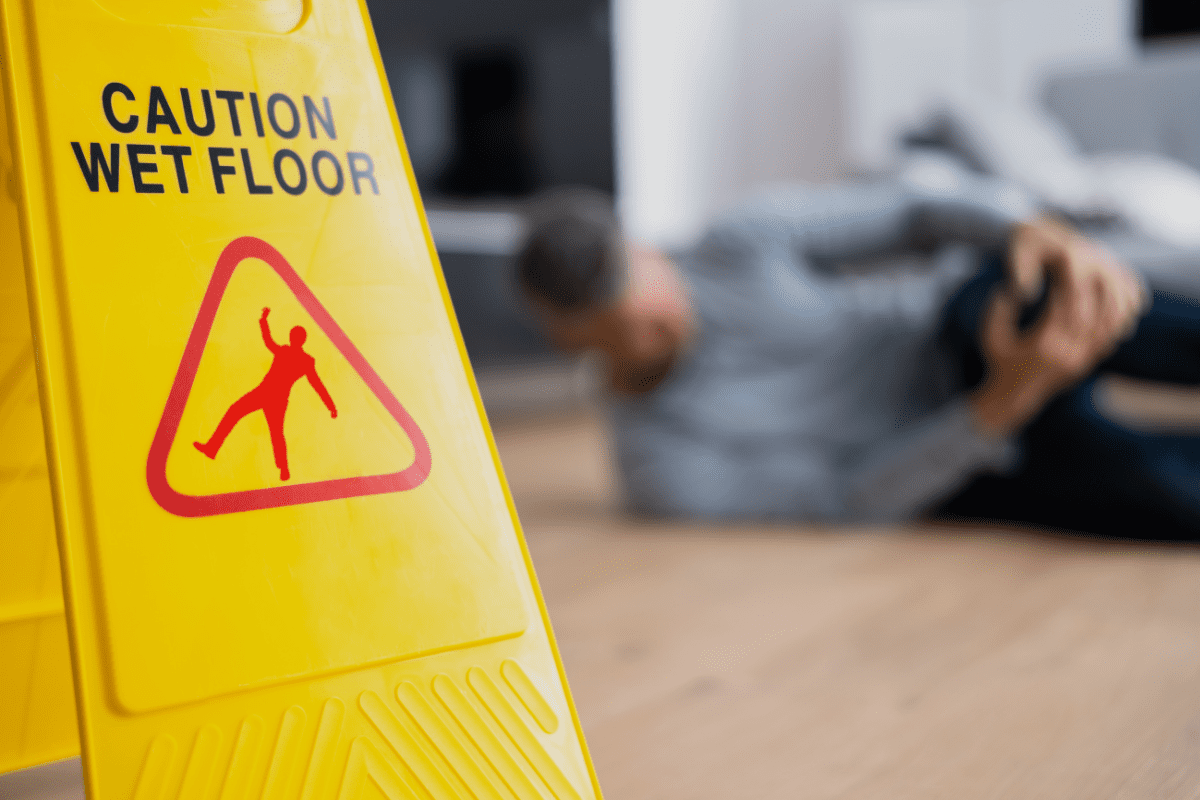
Accidents in public spaces are more common than most people realize. Whether you’re walking through a grocery store, visiting a museum, or taking your kids to a public park, an unexpected hazard can turn a routine day into a medical emergency. Some of the most frequent types of injuries in public places include slips, trips, and falls, which often result in broken bones, sprains, or head trauma.
These accidents typically stem from negligence in a premises liability situation, such as:
- Wet or slippery floors with no warning signs
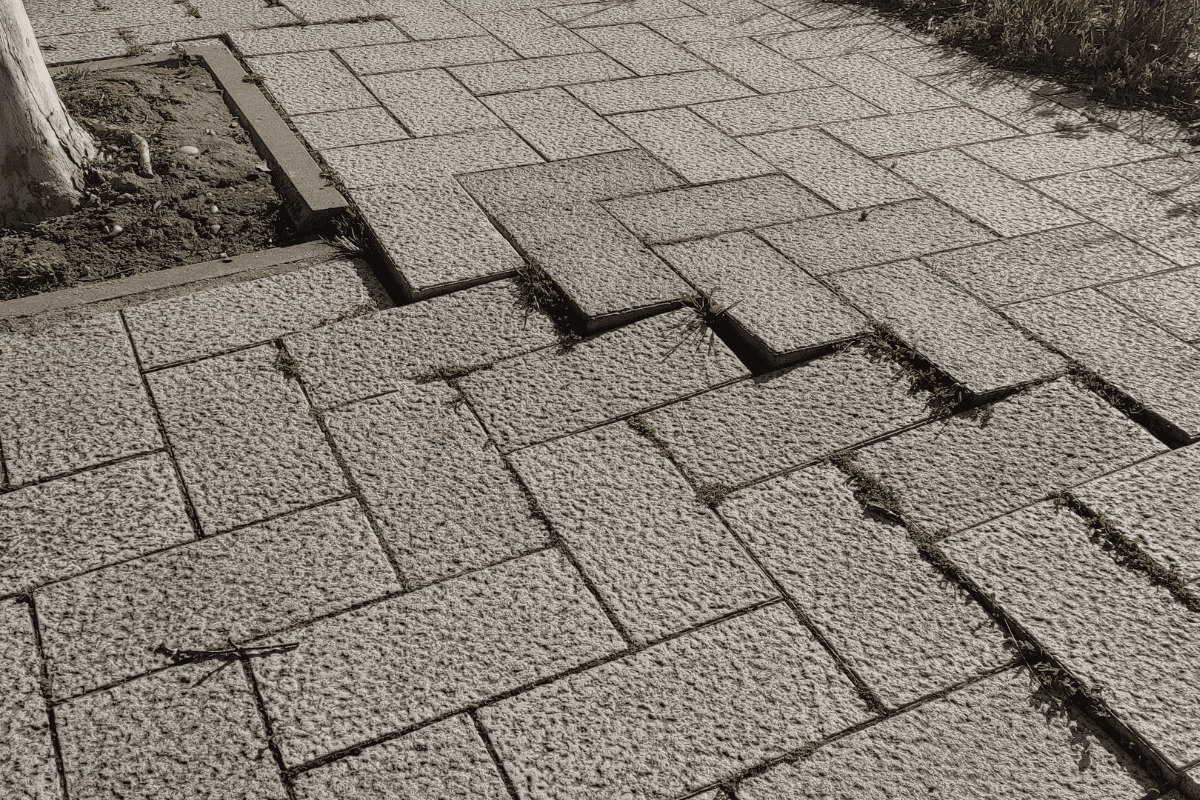
- Uneven sidewalks or flooring
- Poor lighting in stairwells or walkways
- Unsecured carpeting or cords
- Falling merchandise or debris
- Malfunctioning elevators or escalators
Public spaces like malls, restaurants, parking lots, and even government buildings fall under the responsibility of the property owner or manager. Their duty to maintain safe premises includes conducting regular inspections, fixing known dangers, and posting visible warnings.
In more severe cases, especially involving public property like municipal parks or sidewalks, injuries can result from broken playground equipment, cracked pavement, or obstructed pathways. When these hazards aren’t addressed, the property owner’s negligence could lead to serious harm—and potentially, a premises liability claim.
If the injury was caused by a preventable hazard, the injured party may be able to seek compensation for medical treatment, lost wages, and pain and suffering. Understanding how these incidents happen is the first step in determining whether the owner may be held liable.
Premises Liability in Florida: What It Means for Injury Victims
Premises liability in Florida refers to the legal responsibility that property owners and managers have to ensure their premises are safe for visitors. When someone is injured in a public place in Florida due to unsafe conditions, they may be able to file a premises liability claim against the responsible party. This area of law plays a crucial role in protecting the rights of injury victims throughout the state.
Under Florida law, property owners owe different levels of duty depending on the visitor’s status:
- Invitees (such as customers or tenants) are owed the highest duty of care. Owners must regularly inspect for hazards and fix them promptly.
- Licensees (like social guests) must be warned of known dangers that aren’t obvious.
- Trespassers are generally owed the least duty, although there are exceptions, especially involving children (under the “attractive nuisance” doctrine).
To successfully bring a premises liability case, the injured person must prove several elements:
- The defendant owned or controlled the property where the injury occurred.
- The defendant was negligent in maintaining or securing the premises.
- The negligence directly caused the injury.
- Actual damages—like medical bills, lost wages, or pain and suffering—were incurred.
Premises liability also applies to various types of properties, including:
- Retail stores and shopping centers
- Restaurants and entertainment venues
- Apartment complexes and office buildings
- Public parks and sidewalks
- Government buildings and schools
If you’re unsure whether your situation qualifies as a valid premises liability claim, consulting with an experienced personal injury attorney is essential. They can assess the facts, help identify responsible parties, and advise you on your legal rights.
Who May Be Liable for Your Injury in a Public Place?
When an injury in a public place occurs, determining who is legally responsible is a key part of building a strong premises liability case. Florida law allows injury victims to hold various parties accountable, depending on where and how the injury was caused.
The most common liable parties include:
- Private Property Owners: Businesses such as restaurants, retail stores, and malls have a duty to keep their premises safe for customers. If a customer is injured in a slip and fall due to a spilled drink or broken flooring, the business may be liable.
- Commercial Property Managers: Property managers overseeing office buildings or shopping centers can be held responsible if they fail to maintain the premises or warn of potential hazards.
- Government Entities: Injuries on public property, like sidewalks, parks, or government offices, may lead to a claim against a city, county, or the state. However, special notice rules and shorter deadlines often apply when filing a claim against the state.
- Contractors or Maintenance Companies: If an injury stems from a hazard created by a third-party contractor—like poor lighting or faulty escalators—they may also be held liable.
In some cases, multiple parties may share responsibility. For instance, both a business owner and a janitorial service may be partially liable if you’re injured on someone’s property due to a wet floor left unmarked.
Identifying the correct party—or parties—is crucial for pursuing the compensation you’re entitled to. A skilled premises liability attorney can help investigate the scene, collect evidence, and hold the appropriate parties accountable for your injuries.
Steps to Take If You’re Injured in a Public Place
If you’re injured in a public place, what you do in the immediate aftermath can significantly impact your ability to file a premises liability claim and receive the compensation you deserve. Follow these essential steps to protect your health and your legal rights:
1. Seek Immediate Medical Attention
Your health is the top priority. Even if the injury seems minor, symptoms can worsen over time. Visit a doctor or emergency room to get evaluated and create a medical record that documents your injuries. This is critical for any future personal injury claim.
2. Report the Incident
Notify the property owner or manager immediately. If you’re injured in a store or commercial venue, ask to fill out an official incident report. For injuries on public property, contact the appropriate government agency. Be factual and avoid speculation when describing the incident.
3. Document Everything
Take photos of the scene, including the hazard that caused the injury (wet floors, broken pavement, etc.), your injuries, and any surroundings that could support your claim. Get names and contact information for any witnesses who saw the accident occur.
4. Avoid Speaking to Insurance Companies Without Legal Advice
Insurance adjusters may contact you quickly after an incident, but their goal is often to minimize payouts. Do not give recorded statements or sign any documents without consulting an experienced personal injury attorney.
5. Preserve Evidence
Keep medical bills, prescriptions, work absence records, and any other documentation of how the injury has affected your life. This information supports your right to seek compensation for damages like lost wages and medical treatment.
6. Contact a Lawyer
Engaging a Florida slip and fall lawyer early ensures you take the right steps from day one. They can evaluate your case, handle negotiations, and help you file a claim within Florida’s two-year statute of limitations.
Taking the right actions immediately after an incident can make a major difference in the outcome of your case. Don’t delay—contact a personal injury attorney to start protecting your rights.
Filing a Premises Liability Claim in Florida
If you’ve been injured in a public place in Florida, filing a premises liability claim may be your best path to recover fair compensation for your injuries. While Florida law allows victims to seek damages, the process can be complex—especially when multiple parties or insurance companies are involved. Knowing how to file and what to expect will help you make informed decisions.
1. Consult a Premises Liability Attorney
Before taking formal legal action, it’s wise to speak with an experienced personal injury attorney. They can assess the viability of your case, explain your rights, and determine whether the property owner or another party may be liable.
2. Investigate and Build the Case
Your lawyer will conduct a thorough investigation by collecting medical records, surveillance footage (if available), incident reports, and eyewitness statements. Proving negligence in a premises liability case requires showing that the hazard existed, the owner knew or should have known about it, and failed to address it appropriately.
3. Determine Your Damages
Compensable damages may include:
- Medical expenses (current and future)
- Lost wages or reduced earning capacity
- Pain and suffering
- Emotional distress
- Property damage (if applicable)
4. File the Claim
Once your attorney has assembled the necessary evidence, they will typically begin by submitting a claim to the liable party’s insurance company. If negotiations don’t lead to a reasonable settlement, your lawyer may advise you to file a lawsuit in civil court.
5. Be Aware of the Statute of Limitations
Florida has a strict two-year statute of limitations for most personal injury claims. If you don’t take legal action within this time, you could lose your right to seek compensation entirely. Claims involving government entities may have even shorter deadlines and require special notice procedures.
Filing a premises liability claim in Florida is a legal process best handled with skilled representation. If you or a loved one was seriously injured, don’t wait—contact Bodden and Bennett Law Group to discuss your options.
Dealing With Insurance Companies and Government Entities
After an injury in a public place, one of the most difficult aspects of pursuing compensation is dealing with insurance companies and, in some cases, government entities. Both can present significant obstacles that delay or diminish the compensation you deserve.
Insurance Company Tactics
When filing a premises liability claim against a private property owner or business, their insurance provider typically takes over. These companies often act quickly to:
- Offer lowball settlements
- Request recorded statements to use against you
- Deny or delay legitimate claims
Remember, their goal is to limit payouts—not to support your recovery. That’s why it’s critical not to sign anything or make recorded statements without first speaking to a premises liability lawyer.
Filing Claims Against Government Entities
If your injury occurred on public property—such as a city park or government building—the process is even more complex. Florida law requires you to:
- Provide written notice of your claim to the appropriate agency within a limited time frame
- Allow a waiting period (usually 180 days) before filing a lawsuit
Additionally, government entities often have immunity from certain types of lawsuits, making it harder to prove liability. Special procedural rules and shorter filing deadlines apply, which can vary depending on the agency involved.
An experienced personal injury attorney familiar with premises liability law in Florida can navigate these challenges, whether you’re pursuing compensation from a private insurer or a government department. The sooner you act, the better your chances of preserving your right to recover damages.
Why You Need a Florida Slip and Fall Lawyer
When you’re injured in a public place in Florida, having a knowledgeable advocate on your side can make all the difference. A seasoned Florida slip and fall lawyer understands the complexities of premises liability law and can help you build a strong case from the start.
Expert Guidance Through Every Step
From gathering evidence to negotiating with insurance companies, a qualified attorney provides strategic advice and ensures that you follow the correct legal procedures. This is especially important in Florida, where laws involving comparative negligence and governmental claims can be confusing and restrictive.
Thorough Case Evaluation
Your attorney will review all the details of your accident—including how the injury was caused, whether the property owner’s negligence contributed, and what types of damages you may be entitled to. They’ll also determine if other parties, such as third-party contractors or property managers, may be liable.
Maximizing Compensation
Injury victims often underestimate the long-term costs of their injuries. A premises liability attorney will ensure that your claim includes all relevant losses, such as:
- Medical bills and ongoing treatment
- Lost wages and diminished earning capacity
- Pain and suffering
- Future medical needs and rehabilitation
Trial-Ready Representation
While many injury claims settle out of court, some require litigation. If the responsible parties refuse to offer fair compensation, your lawyer will be prepared to take the case to trial and advocate for the compensation you deserve.
Don’t leave your future to chance. A trusted Florida slip and fall attorney can help you navigate this difficult time and pursue justice on your behalf.
Injured in a Public Place in Florida? Contact a Trusted Law Firm Today
If you or a loved one has been injured in a public place in Florida, don’t wait to get the legal help you need. At Bodden and Bennett Law Group, our team of experienced personal injury attorneys is dedicated to helping injury victims recover the compensation they deserve. We’ll evaluate your case, guide you through the legal process, and fight for your rights every step of the way.
Contact us today for a free consultation and take the first step toward protecting your future.
FAQs About Being Injured in a Public Place in Florida
- What should I do immediately after being injured in a public place in Florida?
Seek immediate medical attention, report the incident to the property owner or manager, document the scene, and contact a personal injury attorney as soon as possible. - Can I sue the government if I’m injured on public property in Florida?
Yes, but claims against government entities in Florida follow specific rules. You must provide written notice and may face a shorter filing deadline. An attorney can guide you through this process. - What if I were partially at fault for my injury?
Florida’s comparative negligence law means you can still recover damages, but your compensation may be reduced based on your share of the fault. - How long do I have to file a premises liability claim in Florida?
In most cases, you have two years from the date of the injury to file a claim. For government-related claims, deadlines may be even shorter. - Do I need a lawyer to file a slip and fall claim?
While not legally required, hiring a Florida slip and fall lawyer greatly improves your chances of a successful outcome and ensures you don’t miss critical deadlines. - What compensation can I receive from a premises liability case?
You may be entitled to compensation for medical bills, lost wages, pain and suffering, emotional distress, and more. - How is negligence proven in a public place injury case?
Negligence is proven by showing the property owner knew or should have known about the hazard and failed to take appropriate action to fix or warn about it. - What are examples of dangerous conditions in public spaces?
Wet floors, broken sidewalks, poor lighting, lack of handrails, and unsecured objects are common examples. - What if I didn’t report the incident right away?
You may still have a valid claim, but reporting delays can complicate the case. Speak with a lawyer immediately to assess your options.