
Florida’s scorching summer temperatures are more than just a nuisance—they pose a significant threat on the roads. Every year, as the mercury climbs, so does the risk of heat-related auto accidents in Florida. From tire blowouts and engine overheating to distracted driving and fatigue, the Sunshine State’s unique climate creates a perfect storm for Florida summer car accidents.
The period between Memorial Day and Labor Day is known nationally as the “100 Deadliest Days of Summer,” and for good reason. Florida sees its fair share of accidents during this time, many of which are linked to extreme heat and its effects on both vehicles and drivers. Whether it’s a sudden collision due to a blown tire or a fatality stemming from heat-induced fatigue, the consequences are often tragic.
Understanding the hazards posed by Florida’s intense summer weather is the first step toward prevention. It’s also crucial to know your rights and responsibilities if you’re involved in a car accident. In this article, we’ll break down the risks, explore real-world statistics, and offer practical safety tips. And if the worst happens, a qualified Florida Auto Accident Attorney can help protect your rights and pursue compensation.
Key Takeaways
- Florida ranks among the top states for hot car deaths and heat-related crashes.
- Tire blowouts, driver fatigue, and overheating vehicles increase the risk of summer car crashes.
- Extreme heat can impair driver focus and mechanical performance.
- Florida Auto Accident Attorneys can help victims understand their legal options.
- Prevention is possible with regular vehicle maintenance and cautious driving during summer months.
How Florida’s Heat Affects Driving Conditions
Florida’s summer months bring relentless heat, often exceeding 90°F with high humidity—conditions that significantly impact both drivers and vehicles. These hot temperatures contribute to a surge in heat-related auto accidents in Florida, especially between Memorial Day and Labor Day, when road traffic peaks and the weather is at its most intense.
One of the most overlooked dangers is the effect of heat on vehicle components. As temperatures rise, the air inside tires expands, increasing internal pressure. This leads to a higher risk of tire blowouts, particularly in older or underinflated tires. Similarly, engine overheating is common, especially in poorly maintained vehicles. These mechanical failures can cause sudden loss of vehicle control, resulting in crashes or dangerous stops in high-speed traffic.
Drivers themselves are not immune to the effects of heat. High cabin temperatures can lead to dehydration, fatigue, and diminished cognitive function. This combination increases the likelihood of accidents, especially in stop-and-go traffic or long summer road trips. Additionally, heat-related illnesses like heatstroke can impair judgment and reaction times, raising the risk of a serious motor vehicle collision.
Florida’s unpredictable summer weather patterns compound these hazards. Quick shifts from dry heat to sudden downpours increase the risk of hydroplaning, particularly on poorly maintained or heavily traveled roads. In South Florida, where construction zones are common in summer, these conditions become even more hazardous.
Florida Heat-Related Auto Accident Statistics
Florida is no stranger to heat-related dangers, and its roads reflect that. During the peak summer months, Florida consistently sees a rise in car accidents, many directly or indirectly linked to high temperatures. From tire blowouts to fatigue-induced collisions, the state’s sunny climate becomes a hidden risk factor for motorists.
According to data from the Florida Department of Highway Safety and Motor Vehicles (FLHSMV), summer months account for a disproportionate number of motor vehicle crashes. Each year, tens of thousands of crashes occur between Memorial Day and Labor Day—a time frame often associated with the “100 Deadliest Days of Summer.” While teen drivers account for many incidents, Florida summer car accidents affect drivers of all ages.
A recent study reported by WINK News found that Florida ranks as the 7th deadliest state for hot car deaths. While these tragedies often involve children left in vehicles, they also point to the broader dangers posed by scorching summer heat. High internal vehicle temperatures can affect technology systems, seats, and even safety gear like airbags, all of which can malfunction under thermal stress.
Beyond fatalities, serious injuries from summer car crashes are common. Fatigue from prolonged exposure to heat or dehydration behind the wheel contributes to slower reaction times and poor decision-making. According to the National Highway Traffic Safety Administration (NHTSA), heat-related mechanical failures are a significant cause of road accidents during the summer.
Common Heat-Related Hazards Leading to Accidents
Florida’s relentless summer heat introduces several specific hazards that increase the risk of accidents on the road. From vehicle malfunctions to human error, these dangers contribute significantly to heat-related auto accidents in Florida, particularly during peak summertime driving.
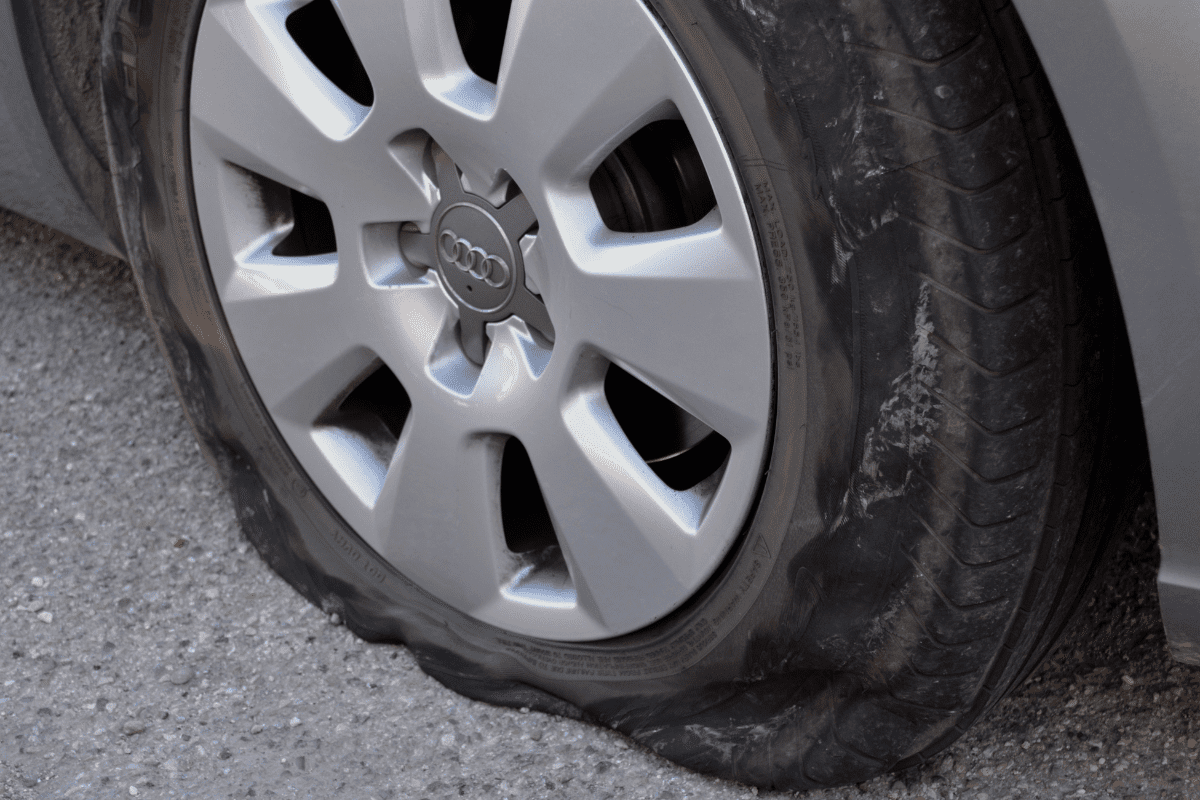
1. Tire Blowouts
One of the most common and dangerous heat-related incidents is the tire blowout. As temperatures climb, the air inside tires expands, increasing pressure and putting stress on tire walls. In older or worn tires, this can lead to sudden blowouts, especially on hot pavement. A blowout at highway speeds often results in loss of vehicle control, causing collisions with other cars or roadside barriers.
2. Engine Overheating
Hot weather also puts vehicles’ cooling systems to the test. If a radiator or thermostat is already compromised, it may fail entirely during a Florida summer. Engine overheating can lead to breakdowns in active traffic, increasing the likelihood of accidents—especially on major highways.
3. Driver Fatigue and Dehydration
Heat not only affects machines—it impacts drivers, too. High cabin temperatures, especially in poorly ventilated cars or when the air conditioning fails, can lead to fatigue, dehydration, and impaired concentration. This condition is particularly hazardous during long road trips or in stop-and-go traffic, leading to missed signals, delayed reaction times, and rear-end crashes.
4. Hot Interior Distractions
In scorching heat, interior car components—seatbelt buckles, touchscreens, and steering wheels—can become painfully hot. This discomfort can cause drivers to fidget or take their eyes off the road, raising the chances of distracted driving accidents. Technology malfunctions, such as failed sensors or navigation errors due to heat, also contribute to safety issues.
5. Sudden Rain and Hydroplaning
Florida’s summer pattern includes frequent but brief downpours. After long dry spells, roads become slick with built-up oil, creating ideal conditions for hydroplaning. This sudden loss of traction is especially dangerous when paired with high-speed travel or poorly maintained tires.
6. Mechanical Failures
Extreme heat can affect other vehicle systems too—batteries drain faster, and brake fluid can evaporate, leading to dangerous driving conditions. When critical systems fail without warning, the result can be catastrophic.
Legal Consequences of Summer Accidents in Florida
When a heat-related auto accident in Florida occurs, understanding the legal framework is crucial for protecting your rights. Florida operates under a no-fault auto insurance system, meaning each driver’s personal injury protection (PIP) insurance pays for their own injuries—up to $10,000—regardless of who caused the accident. However, when injuries are serious, victims may step outside the no-fault system and pursue additional compensation.

Liability and Weather Conditions
Extreme weather conditions, such as summer heat, can complicate questions of liability. If a vehicle malfunction—like a tire blowout or engine failure—was foreseeable or preventable through proper maintenance, the driver or vehicle owner may be held responsible. If poorly maintained public roads or construction zones contributed to the accident, municipal liability may come into play.
In such cases, proving negligence is key. An experienced Florida Auto Accident Attorney will collect evidence such as weather reports, maintenance records, crash reports, and witness statements to build a strong case.
Filing a Personal Injury Claim
If your injuries meet Florida’s “serious injury” threshold—such as permanent disability, disfigurement, or significant loss of bodily function—you may file a personal injury claim against the at-fault party. This process may include:
- Proving the circumstances of the accident were heat-related or involved negligence.
- Showing damages beyond PIP coverage, including lost wages, pain and suffering, and medical expenses.
Victims have two years from the date of the crash to file a claim, in accordance with the Florida statute of limitations for car accident cases. Missing this deadline can permanently bar your right to compensation.
Insurance Companies and Summer Claims
Insurance providers often try to downplay the impact of heat or shift blame onto the driver. As noted in this article on 15 Tactics Insurance Companies Use, they may question your vehicle’s condition or deny liability for heat-related vehicle failure.
This is why partnering with an experienced Florida personal injury attorney is essential. They know how to counter these tactics and negotiate a fair car accident settlement on your behalf.
Preventive Measures for Safer Summer Driving
Preventing heat-related auto accidents in Florida begins with proactive vehicle maintenance and cautious behavior on the road. While Florida’s extreme summer temperatures are unavoidable, the risks they pose to drivers and vehicles can be significantly reduced with the right safety precautions.
1. Maintain Proper Tire Pressure
Check your tire pressure regularly, especially during heat waves. Overinflated tires—caused by expanding air—can lead to tire blowouts. Underinflated tires, meanwhile, create excess friction, which also increases blowout risk. Replace worn tires before summer begins.
2. Service Your Cooling System
Engine overheating is a leading cause of summer car crashes. Ensure your radiator, coolant levels, and thermostat are functioning properly. Replace old coolant and have your entire cooling system checked by a professional before peak heat sets in.
3. Stay Hydrated and Take Breaks
Fatigue and dehydration impair reaction times and concentration. Bring water on long drives, use sunshades to reduce cabin temperature, and take regular breaks—especially on long highway trips or during traffic delays.
4. Don’t Ignore Warning Lights
Dashboard warning lights—particularly engine temperature and tire pressure—should never be ignored in the summer months. These indicators can alert you to issues that may cause accidents on the road if left unaddressed.
5. Watch for Sudden Weather Changes
Florida is known for its sudden thunderstorms. Rain after a dry spell increases the risk of hydroplaning. Slow down, avoid cruise control, and increase your following distance when driving through rain.
6. Child and Pet Safety
Never leave children or pets in a parked vehicle, even for a minute. Florida ranks among the top states for hot car deaths, and vehicle interiors can reach deadly temperatures within minutes.
7. Avoid Distracted Driving
High temperatures can make you irritable or uncomfortable—conditions that often lead to distracted driving. Stay focused and limit the use of in-car devices. For more on this topic, visit our article on Florida Distracted Driving Accidents.
8. Know the Rules of the Road
Summertime often brings out-of-state tourists unfamiliar with Florida’s driving laws. Brush up on your local knowledge, including Florida’s Right-on-Red Law, to reduce your risk of collision.
Additional summer driving tips can be found at FLHSMV’s Safe Summer Driving Page.
What to Do If You’ve Been Involved in a Heat-Related Car Accident
If you’re involved in a car accident during Florida’s scorching summer months, knowing what to do immediately afterward can protect your health, safety, and legal rights. Heat-related auto accidents in Florida can be complex, especially when vehicle failures or extreme weather conditions are involved.
- Prioritize Safety and Seek Medical Help: Move to a safe location if possible and call 911. Even if injuries seem minor, seek a full medical evaluation.
- Document the Scene: Take photos of the crash, damage, tire condition, and weather—especially if high heat or a rainstorm played a role.
- File an Official Report: Report accidents involving injuries or significant property damage. Keep a copy of the crash report.
- Notify Your Insurance Company: Share documentation but avoid discussing fault before legal counsel.
- Contact a Florida Auto Accident Attorney: A skilled attorney can assess if extreme heat contributed to your crash and advise on legal options. Contact Us.
How a Florida Auto Accident Attorney Can Help
When you’re injured in a heat-related auto accident in Florida, working with an experienced Florida Auto Accident Attorney can make all the difference. These types of accidents often involve unique circumstances that can complicate liability and insurance claims.
- Investigate vehicle failure, road conditions, and driver fatigue
- Collect evidence and expert testimony about heat-related causes
- Negotiate with insurers for a fair car accident settlement
- File your personal injury claim within Florida’s 2-year deadline
For support, visit our Auto Accident Practice Area or Contact Us today.
Florida Summer Car Accident FAQs: Heat, Insurance, and Legal Rights
- Can heat cause a car accident in Florida? Yes. Tire blowouts, engine failures, and driver fatigue are common in summer.
- What are signs of a heat-related vehicle failure? Dashboard warnings, tire pressure changes, and engine overheating.
- Are tire blowouts more common in the summer? Absolutely. Heat causes air to expand, increasing internal tire pressure.
- What should I do after a heat-related crash? Document the scene, get medical care, and contact a personal injury attorney.
- Does insurance cover heat-related accidents? Generally, yes, but proving heat as a factor may require legal help.
- How common are hot car deaths in Florida? Florida ranks 7th nationally according to recent studies.
- Can heat affect driver behavior? Yes. Dehydration and discomfort can reduce focus and reaction time.
- When should I contact an attorney? Immediately after the crash to preserve evidence and protect your rights.
- What if mechanical failure caused the accident? You may have a case against a manufacturer or maintenance provider.
Injured in a Heat-Related Florida Car Accident? Contact Our Attorneys Today
Florida’s sizzling summer heat brings more than just discomfort—it introduces real danger on the road. From tire blowouts and engine failures to driver fatigue and hot car deaths, the hazards of driving in the Sunshine State during summer are often underestimated. Understanding how extreme heat affects both vehicles and human behavior is essential to staying safe.
Despite taking all precautions, accidents still happen. If you or a loved one has been involved in a car accident during Florida’s hot season, it’s crucial to act quickly. Documentation, medical care, and legal action all play vital roles in protecting your health and your rights.
Don’t navigate the aftermath of a heat-related accident alone. Contact the experienced team at Bodden and Bennett Law Group to discuss your case and explore your legal options.
Call (561) 806-5229 or Contact us online for a free case evaluation.