
Florida consistently ranks among the most dangerous states for pedestrians, with thousands of accidents reported every year. In 2022 alone, Florida saw over 9,000 vehicle-pedestrian collisions, many of which resulted in serious injuries or fatalities. With pedestrian accidents on the rise, drivers must understand the latest vehicle safety standards and Florida’s pedestrian protection laws to reduce these alarming numbers.
To combat this issue, federal agencies like the National Highway Traffic Safety Administration (NHTSA) have introduced new vehicle safety regulations designed to minimize pedestrian fatalities. These standards require automakers to integrate cutting-edge safety technologies like automatic emergency braking, pedestrian detection systems, and enhanced visibility features in modern cars.
At the state level, Florida law places strict responsibilities on drivers to ensure pedestrian safety. From yielding at crosswalks to following traffic signals, understanding these laws is essential for every driver. Failure to follow them can result in fines, license points, and even civil lawsuits.
This guide explains how new vehicle safety standards can prevent accidents, highlights Florida’s pedestrian safety laws, and outlines what drivers should do if they are involved in a vehicle-pedestrian accident. Learn how to stay safe, avoid legal issues, and understand your rights if an accident occurs.
What Are Vehicle Safety Standards?
Vehicle safety standards are government-regulated rules that ensure cars meet specific safety criteria before being sold to the public. These regulations are designed to reduce the likelihood of accidents and minimize the severity of injuries when crashes occur. The National Highway Traffic Safety Administration (NHTSA) oversees vehicle safety standards in the United States, setting mandatory guidelines for automakers.
Initially, vehicle safety standards focused primarily on protecting drivers and passengers through features like seat belts, airbags, and anti-lock brakes. However, as pedestrian fatalities surged in recent years, regulatory bodies began expanding these standards to include pedestrian safety technologies.
Pedestrian-focused safety measures now play a central role in the NHTSA’s proposed updates. These include advanced technologies that help cars detect and avoid hitting people on the road. Automatic emergency braking, pedestrian detection sensors, and improved headlight designs are just a few examples of how modern cars are being built to keep everyone on the road safer.
By ensuring that vehicles meet these safety standards, regulators aim to reduce the number of vehicle-pedestrian accidents, especially in high-risk areas like Florida, where pedestrian fatalities are disproportionately high. Understanding how these standards work helps drivers appreciate the life-saving potential of emerging vehicle technologies.
Federal Pedestrian Safety Initiatives
To address the rising number of pedestrian accidents, the National Highway Traffic Safety Administration (NHTSA) has introduced several federal pedestrian safety initiatives aimed at reducing collisions involving cars and pedestrians. These efforts focus on requiring automakers to include advanced safety features in new vehicle models while promoting safer driving behavior nationwide.
One of the most notable initiatives is the proposed Federal Motor Vehicle Safety Standard (FMVSS) update, which mandates that all new cars come equipped with Automatic Emergency Braking (AEB) systems designed to detect and prevent pedestrian collisions. This feature uses radar and cameras to monitor the road ahead and automatically apply the brakes if a pedestrian enters the vehicle’s path.
Additionally, the New Car Assessment Program (NCAP) now includes pedestrian safety ratings based on how well cars protect pedestrians during collisions. Cars that score higher are considered safer for both drivers and pedestrians.
Public awareness campaigns such as “Everyone is a Pedestrian” also play a critical role. These programs educate drivers and pedestrians about traffic laws, pedestrian safety tips, and how to share the road responsibly. Together, these federal initiatives aim to reduce pedestrian injuries and fatalities by promoting safer vehicle designs and encouraging better road behavior.
Advanced Vehicle Safety Features Explained
Modern vehicle technology is evolving rapidly, with automakers incorporating advanced safety features designed to prevent pedestrian accidents. These technologies use sensors, cameras, and automated systems to detect pedestrians and avoid collisions before they occur. Let’s explore the most important pedestrian-focused safety features currently being implemented:
1. Automatic Emergency Braking (AEB)
Automatic Emergency Braking (AEB) is one of the most effective features for preventing pedestrian accidents. This system uses radar and cameras to monitor the road ahead. If a pedestrian is detected and the driver doesn’t react in time, the car automatically applies the brakes to avoid or reduce the impact. Many new car models now come with AEB as a standard feature.
2. Pedestrian Detection Systems
Pedestrian detection systems go a step further by identifying people in the car’s path, even in low-light conditions. Using advanced image recognition technology, these systems alert the driver when a pedestrian is nearby. Some models combine pedestrian detection with AEB for a more comprehensive safety approach.
3. Enhanced Visibility Features
Improved headlights and adaptive lighting systems make driving safer at night and in poor weather. Adaptive Headlights adjust the direction and intensity of the light beam based on the car’s speed, steering angle, and road conditions. This feature increases visibility and reduces the risk of accidents, especially in areas with limited street lighting.
4. Front-End Redesigns
Some car manufacturers have begun redesigning vehicle fronts to reduce injury severity during pedestrian collisions. Softer bumpers and energy-absorbing hoods help minimize the force of impact, reducing the likelihood of fatal injuries if a crash occurs.
5. Lane-Keeping Assist and Blind-Spot Monitoring
Although primarily designed to prevent vehicle-to-vehicle crashes, Lane-Keeping Assist and Blind-Spot Monitoring also protect pedestrians. Lane-Keeping Assist helps keep cars from veering off the road, while Blind-Spot Monitoring detects vehicles or pedestrians hidden from the driver’s view.
These cutting-edge technologies are critical for reducing pedestrian accidents in high-risk states like Florida. By incorporating these safety features into their vehicles, automakers are making significant progress toward preventing vehicle-pedestrian collisions and saving lives.
Florida’s Pedestrian Safety Laws Overview
Florida’s pedestrian safety laws are designed to protect pedestrians while holding drivers accountable for responsible behavior on the road. Given the state’s high pedestrian accident rate, these laws are crucial for reducing injuries and fatalities.
The primary pedestrian law in Florida is Florida Statute 316.130, which outlines when drivers must yield to pedestrians and how pedestrians should behave when crossing roads. Drivers are required to stop and yield to pedestrians at marked and unmarked crosswalks when traffic signals permit crossing.
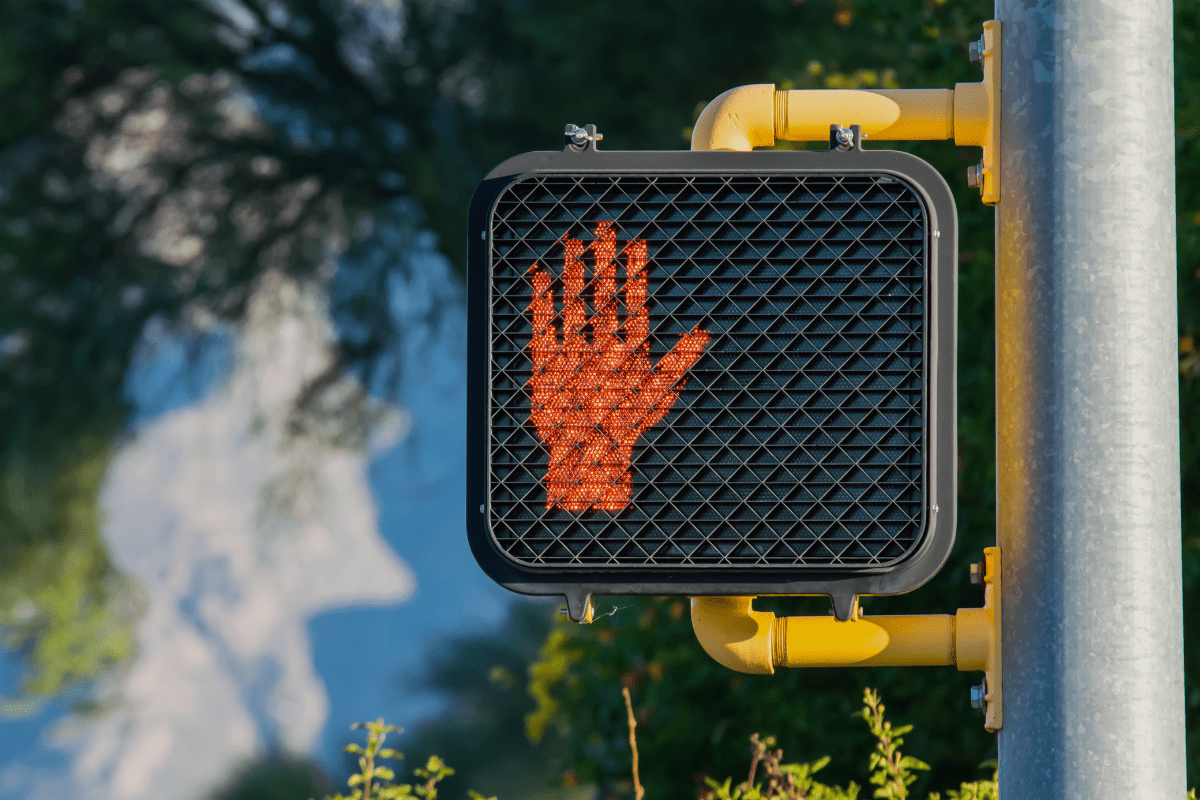
Pedestrians also have legal responsibilities. They must obey traffic signals such as “Walk” and “Don’t Walk” indicators and avoid crossing roads outside designated crosswalks, commonly referred to as jaywalking. Violating these rules can result in traffic citations or fines.
Additionally, drivers must exercise “due care” in areas with high pedestrian activity, such as school zones, residential neighborhoods, and shopping districts. Florida Statute 316.172 also requires drivers to stop when a school bus displays its stop sign, protecting children crossing the street.
Understanding these laws can help drivers avoid legal trouble while making Florida’s streets safer for everyone. Drivers who ignore pedestrian protection laws may face traffic tickets, license points, increased insurance premiums, and civil liability in personal injury claims.
Right-of-Way Rules in Florida
Understanding right-of-way rules is essential for Florida drivers to avoid accidents and legal trouble. Florida law clearly defines when drivers must yield to pedestrians, particularly at intersections and crosswalks.
When Drivers Must Yield
According to Florida Statute 316.130, drivers must yield the right of way to pedestrians in several situations, including:
- Marked Crosswalks: Drivers must stop and allow pedestrians to cross when they are in or approaching a marked crosswalk.
- Unmarked Crosswalks at Intersections: Even if there’s no painted crosswalk, drivers must yield at intersections where pedestrians are crossing legally.
- Traffic Lights and Stop Signs: Drivers must obey all traffic signals and stop for pedestrians crossing on a green light or when a “Walk” signal is displayed.
Pedestrian Responsibilities
Pedestrians must also follow right-of-way rules. They are required to:
- Obey Traffic Signals: Cross only when the “Walk” sign is illuminated.
- Use Designated Crosswalks: Avoid jaywalking or crossing between intersections where crosswalks are not provided.
- Be Cautious: Look both ways before crossing and avoid stepping into traffic suddenly.
By following these rules, drivers and pedestrians can reduce accidents and ensure safer streets across Florida.
School Zones and Bus Stops
School zones and bus stops are high-risk areas for pedestrian accidents, making Florida’s traffic laws in these zones especially strict. Drivers must understand these laws to keep children safe and avoid serious penalties.
School Zone Speed Limits
When approaching a school zone, drivers must reduce their speed as posted on traffic signs. Florida Statute 316.1895 mandates that school zone speed limits are typically between 15 and 20 miles per hour during designated hours. Flashing lights or posted signs indicate when reduced speeds are in effect.
Failing to follow these speed limits can result in:
- Hefty Fines: Fines double in school zones, starting at $200 or more.
- License Points: Drivers may receive points on their licenses, increasing insurance rates.

Stopping for School Buses
Florida law requires drivers to stop for school buses displaying flashing red lights and an extended stop sign. This rule applies to all lanes of traffic unless a raised median or physical barrier separates the lanes.
Drivers who fail to stop for a school bus face:
- Minimum $200 Fine
- License Suspension for Repeat Offenses
Understanding these rules helps prevent tragic accidents involving children near schools and bus stops while avoiding costly legal consequences.
Traffic Violations and Penalties in Florida
Failing to follow Florida’s pedestrian safety laws can result in severe traffic violations and legal penalties. These consequences range from traffic citations and fines to criminal charges in cases involving serious injury or death.
Common Traffic Violations Involving Pedestrians
- Failure to Yield at Crosswalks: Drivers who don’t stop for pedestrians at marked or unmarked crosswalks may receive a traffic citation under Florida Statute 316.130.
- Speeding in School Zones: Fines double in school zones, with penalties starting at $200.
- Passing a Stopped School Bus: Drivers who pass a stopped school bus with flashing red lights face a minimum $200 fine and possible license suspension.
- Reckless Driving: If a driver’s negligent actions cause a pedestrian accident, they may face reckless driving charges.
Penalties for Violations
- Fines: Fines for pedestrian-related violations can range from $100 to $500 or more, depending on the severity of the violation.
- License Points: Each violation adds points to a driver’s license, increasing insurance premiums.
- Criminal Charges: Serious violations can lead to misdemeanor or felony charges, particularly if reckless driving results in death or serious injury.
By obeying traffic laws and driving responsibly, Florida drivers can avoid these harsh penalties while making the roads safer for pedestrians.
Common Driver-Related Causes of Pedestrian Accidents
Pedestrian accidents in Florida are often caused by driver negligence. Even minor mistakes behind the wheel can result in severe injuries or fatalities for pedestrians. Understanding the most common driver-related causes can help reduce preventable accidents.
1. Speeding
Driving above the speed limit reduces a driver’s ability to react quickly, making it difficult to stop in time when a pedestrian suddenly crosses the street. Higher speeds also increase the severity of injuries in accidents.
2. Distracted Driving
Drivers distracted by texting, talking on the phone, adjusting GPS settings, or eating while driving are less likely to notice pedestrians, especially in busy areas like intersections and crosswalks.
3. Failure to Yield
Many pedestrian accidents occur because drivers fail to yield the right of way at crosswalks or intersections, violating Florida Statute 316.130. This mistake is common at intersections without traffic signals.
4. Driving Under the Influence (DUI)
Alcohol and drug impairment reduces motor skills, reaction times, and judgment. In Florida, DUI-related pedestrian accidents are a leading cause of fatalities.
By staying alert, following traffic rules, and avoiding distractions, Florida drivers can help reduce the number of pedestrian-related crashes on the state’s busy roads.
Common Pedestrian Errors That Cause Accidents
While drivers are often blamed for pedestrian accidents, pedestrian errors also play a significant role. Understanding common pedestrian mistakes can help reduce accidents and save lives.
1. Jaywalking
Jaywalking occurs when pedestrians cross roads outside designated crosswalks or intersections. This behavior is illegal under Florida Statute 316.130 and increases accident risks because drivers may not expect pedestrians to cross in unmarked areas.
2. Ignoring Traffic Signals
Pedestrians must follow “Walk” and “Don’t Walk” signals at intersections. Crossing against traffic lights creates dangerous situations, especially at busy intersections with multiple lanes of traffic.
3. Walking While Distracted
Using smartphones, wearing headphones, or engaging in conversations can reduce situational awareness. Distracted pedestrians may not notice approaching vehicles, particularly when crossing streets or navigating parking lots.
4. Crossing Between Parked Cars
Pedestrians who dart between parked cars risk being struck because drivers may not see them until it’s too late. This is especially hazardous near shopping centers or crowded streets.
5. Walking Under the Influence
Alcohol or drug impairment affects pedestrians’ judgment and balance, making them more likely to stumble into traffic or misjudge crossing times.
Pedestrians can avoid accidents by staying alert, following traffic rules, and using designated crosswalks whenever possible.
Environmental and Roadway Factors Contributing to Pedestrian Accidents
Certain environmental and roadway conditions can increase the likelihood of pedestrian accidents in Florida. Even when drivers and pedestrians follow the law, external factors like poor visibility, bad weather, and hazardous road designs can create dangerous situations.
1. Poor Lighting
A significant number of pedestrian accidents occur at night due to low visibility. Inadequate street lighting makes it harder for drivers to see pedestrians, especially in residential areas or on rural roads. Enhanced vehicle headlights can reduce this risk but may not be enough in poorly lit areas.
2. Hazardous Weather Conditions
Florida’s rainy season often creates slippery roads and limits visibility for both drivers and pedestrians. Heavy rain, fog, and strong winds can cause cars to skid and pedestrians to lose footing, making accidents more likely.
3. Dangerous Intersections
Poorly designed intersections with limited pedestrian signals, confusing lane markings, or long crossing distances put pedestrians at risk. Intersections with unmarked crosswalks are particularly hazardous because drivers may not realize they need to stop.
4. Road Construction Zones
Construction areas often force pedestrians to walk in vehicle lanes due to blocked sidewalks. Drivers must remain cautious and reduce speeds when navigating construction zones.
By staying alert and adapting to environmental challenges, drivers and pedestrians can better avoid dangerous collisions.
High-Risk Areas for Pedestrian Accidents in Florida
Certain high-risk areas in Florida see more pedestrian accidents due to heavy traffic, tourism, and dense populations. Understanding where accidents are most likely can help drivers stay vigilant and reduce collision risks.
Common High-Risk Zones:
- Urban Centers: Cities like Miami, Tampa, and Orlando have busy downtown areas with heavy foot traffic.
- Tourist Areas: Tourist hubs like theme parks, beaches, and shopping districts experience increased pedestrian activity.
- School Zones: Morning and afternoon school hours are especially hazardous.
- Major Intersections: Multi-lane intersections with fast-moving traffic often pose serious risks.
Staying alert and reducing speed in these areas can help prevent serious pedestrian accidents.
What to Do Immediately After a Pedestrian Accident
Being involved in a vehicle-pedestrian accident can be stressful, but knowing what to do can protect your legal rights and ensure the injured person gets help. Florida law requires drivers to follow specific procedures after an accident, regardless of fault.
1. Stop and Stay at the Scene
Florida Statute 316.027 makes it illegal to leave the scene of an accident involving injury or death. Drivers must remain until law enforcement arrives. Leaving the scene could result in felony hit-and-run charges.
2. Call 911
Contact emergency services immediately, even if the injuries appear minor. Law enforcement will create an official police report, which is essential for insurance claims and legal cases.
3. Provide Assistance
If it’s safe, offer help by calling for medical assistance or providing first aid if trained. Avoid moving the injured pedestrian unless absolutely necessary.
4. Take Photos and Videos
Document the scene with photos and videos, capturing the car’s position, damage, skid marks, street signs, traffic lights, and pedestrian injuries. This evidence can strengthen your insurance claim or defense in a legal case.
5. Exchange Information
Provide your driver’s license, insurance details, and vehicle registration to the injured person and law enforcement officers.
Collecting Evidence After a Pedestrian Accident
Collecting evidence after a vehicle-pedestrian accident is essential for filing an insurance claim or defending against a potential lawsuit. Accurate documentation can help determine who was at fault and support your legal case.
1. Take Photos and Videos
- Accident Scene: Capture wide-angle shots showing the entire accident scene, including the road, sidewalks, and crosswalks.
- Vehicle Damage: Photograph all damage to your vehicle and any signs of impact.
- Injuries: Take clear photos of visible injuries sustained by the pedestrian (if appropriate and respectful).
- Traffic Signs and Signals: Include stop signs, traffic lights, and speed limit signs near the accident site.
2. Get Witness Statements
Ask witnesses to provide statements describing what they saw. Be sure to collect their names and contact information, as they may be crucial for an insurance investigation or legal proceedings.
3. Record Accident Details
- Weather and Lighting Conditions: Note whether the area was well-lit or if weather conditions (like rain or fog) might have contributed to the crash.
- Driver and Pedestrian Behavior: Document what both parties were doing just before the accident.
Thorough evidence collection can strengthen your insurance claim and ensure a fair investigation if a lawsuit arises.
Notifying Your Insurance Company After a Pedestrian Accident
After a pedestrian accident, notifying your insurance company is a crucial step in protecting your legal and financial interests. In Florida, reporting an accident promptly helps ensure that your claim is processed correctly and prevents coverage disputes.
1. Report the Accident Immediately
Most insurance companies require accident notification within 24 to 72 hours. Failing to meet this deadline could result in claim denial or reduced coverage. Contact your insurance provider as soon as possible, even if you believe the pedestrian was at fault.
2. Provide Accurate Details
When speaking with your insurer, provide factual and straightforward information about the accident, including:
- Date, time, and location of the incident.
- Names and contact information of everyone involved.
- The police report number (if available).
Avoid making statements that could imply guilt, such as admitting fault or speculating about what happened. Stick to the facts as described in the police report.
3. Cooperate with the Investigation
Your insurance company may assign an adjuster to investigate the accident. Be prepared to provide photos, videos, witness statements, and the police report. Respond promptly to all inquiries to avoid delays in processing your claim.
Properly notifying your insurer can help you secure coverage for damages while protecting you from personal liability.
When to Hire a Florida Pedestrian Accident Lawyer
Hiring a Florida pedestrian accident lawyer can be critical after a serious vehicle-pedestrian collision. While some minor accidents can be resolved through insurance claims, complex cases often require legal representation to ensure fair compensation and legal protection.
When You Should Contact a Lawyer:
- Severe Injuries or Fatalities:
If the pedestrian suffered serious injuries, such as broken bones, head trauma, or permanent disability, a personal injury attorney can help secure compensation for medical expenses, lost wages, and pain and suffering. - Disputed Fault:
If fault is unclear or the other party falsely accuses you, a lawyer can build a strong defense using evidence like the police report, accident photos, and witness statements. - Insurance Company Denies or Delays Claims:
Insurance companies often try to minimize payouts or deny claims entirely. An experienced lawyer knows how to negotiate with insurers and fight for a fair settlement. - Lawsuit Threats:
If the pedestrian or their family files a lawsuit, legal representation becomes essential to navigate court procedures and defend against liability claims. - High Financial Stakes:
When significant damages are involved, including property damage and emotional distress claims, legal expertise can maximize your settlement.
Consulting a lawyer ensures your rights are protected and helps secure the compensation you deserve.
How Pedestrian Accident Claims Work in Florida
Filing a pedestrian accident claim in Florida involves several legal steps, from reporting the accident to negotiating settlements. Florida’s unique insurance laws can complicate the claims process, making it essential to understand how claims work.
1. Reporting the Accident
The first step is reporting the accident to law enforcement and your insurance company. Florida law requires reporting accidents involving injuries or property damage exceeding $500. The police report becomes a key piece of evidence during the claims process.
2. Filing an Insurance Claim
Since Florida is a no-fault insurance state, drivers must first file a claim with their Personal Injury Protection (PIP) insurance, even if the pedestrian was at fault. PIP covers medical expenses and lost wages regardless of fault, up to the policy limits.
3. Pursuing Additional Compensation
If the pedestrian’s injuries exceed PIP coverage, the injured party can file a claim against the driver’s bodily injury liability insurance or sue for damages in civil court. This includes compensation for pain and suffering, long-term care, and emotional distress.
Understanding Florida’s No-Fault Insurance Law
Florida’s no-fault insurance law requires drivers to carry Personal Injury Protection (PIP) insurance, which covers certain expenses after an accident regardless of who caused the crash. This unique system affects how pedestrian accident claims are handled in the state.
How No-Fault Insurance Works
Under Florida law, every driver must have $10,000 in PIP coverage. This insurance covers:
- Medical Expenses: Hospital bills, prescriptions, and rehabilitation costs up to 80% of approved charges.
- Lost Wages: Compensation for missed work due to accident-related injuries, covering up to 60% of lost income.
- Death Benefits: A portion of PIP coverage may be allocated to funeral expenses if the accident results in death.
How It Applies to Pedestrian Accidents
If a pedestrian is hit by a vehicle, the driver’s PIP insurance covers the pedestrian’s injuries up to the policy limit, even if the pedestrian was at fault. If the pedestrian owns a car with PIP coverage, their own policy applies first.
When to File a Lawsuit
If injuries are severe or expenses exceed PIP limits, the injured party can file a personal injury lawsuit against the driver for additional damages like pain and suffering or long-term care costs.
Understanding Florida’s no-fault system helps drivers navigate pedestrian accident claims and ensure proper coverage.
4. Legal Deadlines
Florida law imposes a two-year statute of limitations for personal injury claims related to pedestrian accidents. Filing after this deadline may result in claim denial.
Types of Compensation Available After a Pedestrian Accident
Victims of pedestrian accidents in Florida may be entitled to several types of compensation, depending on the severity of their injuries and the circumstances of the crash. Florida’s legal system allows injured parties to seek reimbursement through insurance claims or personal injury lawsuits.
1. Medical Expenses
The most common form of compensation includes medical bills, covering:
- Emergency room visits
- Surgeries and hospital stays
- Prescription medications
- Physical therapy and rehabilitation
- Long-term care for permanent disabilities
2. Lost Wages and Future Earnings
If injuries prevent the victim from working, they can recover lost wages. In cases involving long-term or permanent injuries, the court may also award compensation for reduced earning capacity.
3. Pain and Suffering
Victims can pursue damages for physical pain, emotional distress, and mental trauma caused by the accident. This type of compensation accounts for the negative impact on the victim’s quality of life.
4. Property Damage
If personal belongings, such as phones, clothing, or bicycles, were damaged in the accident, the victim can claim property damage compensation.
5. Wrongful Death Damages
If a pedestrian accident results in death, surviving family members can seek wrongful death compensation, including funeral costs and loss of companionship.
Protect Your Legal Rights After a Pedestrian Accident
If you’ve been involved in a pedestrian accident in Florida, securing the right legal representation can make a significant difference in the outcome of your case. Navigating Florida’s complex pedestrian accident laws and insurance claims process can be challenging, especially if you are dealing with serious injuries or wrongful death claims.
At Bodden and Bennett Law Group, we specialize in representing pedestrian accident victims and drivers involved in vehicle-pedestrian collisions. Our experienced attorneys understand Florida’s personal injury laws and will work tirelessly to protect your legal rights while pursuing maximum compensation for:
- Medical bills and rehabilitation costs
- Lost wages and reduced earning capacity
- Pain and suffering damages
- Property damage claims
- Wrongful death benefits (if applicable)
Why Choose Us?
- Expert Legal Representation: We have a proven track record of handling pedestrian accident claims successfully.
- Personalized Legal Strategy: Every case is unique. We’ll create a tailored strategy that fits your specific legal needs.
- No Upfront Fees: We work on a contingency basis, meaning you pay nothing unless we win your case.
Don’t Wait. Contact Us Today!
Florida’s statute of limitations for personal injury claims is two years from the accident date. Contact Bodden and Bennett Law Group today to schedule a free consultation and learn how we can help you protect your legal rights.
Frequently Asked Questions (FAQ) About Florida Pedestrian Safety Laws
Here are answers to some of the most common questions about Florida pedestrian safety laws, accident claims, and legal responsibilities for both drivers and pedestrians.
1. What Are Florida’s Pedestrian Safety Laws?
Florida law requires drivers to yield to pedestrians at marked and unmarked crosswalks when traffic signals permit crossing. Pedestrians must obey traffic signals and avoid crossing streets outside designated crosswalks.
2. Who Has the Right of Way at Crosswalks in Florida?
Pedestrians have the right of way at crosswalks when they follow traffic signals. Drivers must yield to pedestrians already in the crosswalk or approaching it from the opposite side of the road.
3. What Should Drivers Do If They Hit a Pedestrian?
Drivers must stop immediately, call 911, and remain at the scene until law enforcement arrives. Fleeing the scene can result in felony hit-and-run charges.
4. How Do Pedestrian Accident Claims Work in Florida?
After an accident, claims are filed through Personal Injury Protection (PIP) insurance. If the injuries are severe, victims may file a personal injury lawsuit for additional compensation.
5. What Compensation Can Pedestrian Accident Victims Receive?
Victims may be entitled to compensation for medical expenses, lost wages, pain and suffering, and property damage. In wrongful death cases, surviving family members can seek damages for funeral expenses and loss of companionship.
6. How Long Do I Have to File a Pedestrian Accident Claim in Florida?
Florida law imposes a two-year statute of limitations for filing a personal injury or wrongful death claim related to a pedestrian accident.
7. What Are Common Causes of Pedestrian Accidents in Florida?
Accidents often result from speeding, distracted driving, failure to yield, and poorly lit roadways.
8. Can I Still File a Claim If I Was Jaywalking?
Yes, but compensation may be reduced based on Florida’s comparative negligence law, which considers fault from both parties.